
Analytics

Treefrog logo made of moss
Artificial Intelligence, Augmented & Virtual Reality, Branding & Design, Digital Marketing, Hosting & Infrastructure, IoT, NFC and Beacons, Mobile App Development, Web Application Development, Web Design & Development

What Does Treefrog Do?

Our “Who”

It is not uncommon for a company, country, or an individual to have an annual theme. At Treefrog, our CEO has set one for the company each year, and while most often they have remained internal; this year, we’ve decided to launch a marketing theme along with an internal monologue:

“What does Treefrog do?”

While this might seem like a strange question to be asking after nearly 20-years of business, as a digital agency, we have evolved incredibly over the last two decades; from CD burning to website development, creating a content management system (LEAP), to the additions of search ranking and social, to bleeding edge innovation around AI, AR, and IoT. And throughout all of this change, we hold one common theme: innovation and ideation.

Wall with full of multi coloured adhesive, sticky notes, project planning.

But, we are no longer the people in a basement designing websites by day and coding them by night. We’ve grown into a 40+ team. Our clients have matured and grown, just as the small Town of Newmarket has too.

There comes a time in every organization where you need to step back and ask: Based on our growth, are our clients of yesterday still our clients today? And will they be our clients of tomorrow?

At the end of 2018, we set out to answer this very question.

Let us share how we did this:

Our goal was to identify ten words or fewer that would succinctly recognize who our client is. We began by listing out a variety of clients (both past and present), what types of services they offer, and the successes we’ve had with them. This was followed by a lengthy exercise of identifying attributes of these many customers and how we work with our clients.

During the process, we started to notice patterns in the clients and attributes. While some clients were our long-time partners of 15+ years, others had been working with us for less than two years. Some clients were multi-million dollar organizations, with operations around the world, and others were less than five team members and under half million in revenue.

Fascinating similarities in connection for all clients regardless of size, location, industry or income started to emerge. Attributes such as:

  • Relationship-focused
  • Growth-Oriented
  • Collaborative
  • Curious
  • Patient
  • Experts in their field

We then categorized the attributes, in the hopes of boiling our brainstorming session down into one sentence that was evident in all the clients that we selected, both prosperous and less successful (yes we looked at our failures too).

In all cases, we were dealing with the CEO or lead decision-maker; even in the $80-million company, we had a direct line to the CEO.

However, we also realized that in focusing on our clients, what they asked of us was only part of the equation. How we behave, and our values played an essential role in this process too.

As we mingled our values with the attributes of our clients, we landed on something very close to “who” our ideal client is. This included a definition of each client, and a description that would be lasting regardless of the services that we offer or the ways to which we provide support.

“Courageous, aspirational decision-makers concerned about being digitally underdeveloped who want an invested partner.”

TREEFROG INC.

It’s not marketing speak. It’s not meant to be pretty. It’s an internal dialogue for whom we define as our partner. Let’s unpack this definition:

Courageous

Courage defined as ‘being afraid of something and doing it anyway.’

Starting a company, inheriting a company, or gaining the position of leader in an organization is an act of courage. Sometimes it’s the only act of courage a leader makes (that’s an article for another time). But, taking on that role can be scary. Leading an organization takes courage, on a daily basis.

This word was especially crucial to our team, as many of the clients we looked at need a lot of courage in both their companies and industries. Also, when you think about technologies and the digital industry, there are a lot of unknowns, it’s intimidating to many individuals, yet the courageous person moves forward even in the face of uncertainty.

Aspirational

Aspirational or Aspiration has a dual significance in the hope or ambition to go-after or achieve something paired with the action or process to get it. Aspirational individuals are decisive, visionary, curious, and willing to take risks. At Treefrog, we are aspirational; we take risks, we go after big ideas with curiosity and joy. Our best clients are aspirational, taking risks in business, achieving something beautiful.

Decision-Maker

Let’s be real. We all want to be dealing with the decision-maker, that’s a given. But, this decision-maker is unique, they go after new things, and they embrace or welcome innovation, thinking outside the box. They are not just any decision-maker but one who eagerly craves success.

Concerned

This word is especially significant in our definition. Several businesses in the world are happily digitally underdeveloped or non-existent. These are not our clients. We are not seeking to find these decision-makers.

We have one of these businesses leaders on our team right now, a hired consultant working with us part-time: but she is not our client, as she isn’t concerned about her digital footprint.

We are instead interested in working with (and for) companies and decision-makers who are worried about their place in the digital space, who fear missing out, who recognize they are lagging in the digital arena even though they may be experts in their industry.

Digitally Underdeveloped

What does it mean to be digitally underdeveloped? It is relative to the business, knowledge holders, competitors in the industry, and the company itself. It could mean a variety of status points, having an out-dated website, lagging in social engagements, using antiquated systems such as Excel for essential business functions, and more.

This is the one area we’ve spent the most amount of time on, defining and understanding what this could mean to many businesses including our past, current, and future clients. Stay tuned for part two of this article next month, as we will unpack this even more.

Want

Desire. Need. Want. Again, another impactful word in our definition as it describes the mental state of the decision-maker. They aren’t merely looking to fill a gap; this is something they crave or seek. It’s like breathing or nourishment to them, and they see the importance, they are willing to explore and find more than just the bare minimum.

Invested Partner

Lastly, a partner, yet not just any partner but one who is there for the long journey. At Treefrog, this is one of our strongest values, almost to a fault. We think of our clients and their businesses as if they are our businesses and our families. We pride our relationships with authenticity and love. When we engage in a new project, we look at the contract like that of the full depth and sanctity. For better, for worse, for richer, for poorer, in sickness and in health, to love and to cherish. We are there side-by-side with our clients.

What’s next for Treefrog?

Now that we have a defined a clear path of the types of individuals for whom we have seen through evidence-based work and by aligned values, partnership, and longevity, we can start to examine the ‘what’ in: What does Treefrog do?

We hope you’ve found this article informative as to how we discovered our “who,” a question most businesses struggle to articulate.

At Treefrog, we encourage innovation and thought leadership in all that we do. If you would like help in finding your “who,” we offer no-charge innovation ideation sessions for our clients. We merely ask for a 10-15 minute pre-call to learn about your business and what keeps you up at night.

Interested? Please let us know by emailing info@treefrog.ca.

Happy intern listening to their mentor explaining a computer task
Branding & Design, Digital Marketing, Web Design & Development

Why Invest In A Co-op Student?

Over the years, we’ve had several co-op students at Treefrog. They’ve worked with a variety of pods from social and content to programming and project management. This year, we asked our content co-op student, Madeline, to share her thoughts on her internship and what the co-op experience meant to her.

Discovering The World Of Digital Marketing

At the start of grade 11, I had no idea what my passion was or how to uncover it. This was really scary since I only have two years left to figure out what’s next in this journey called life. After completing and finding interest in my marketing course, I talked to my school guidance counsellor who suggested I take a cooperative education course to help me get a sense of how the field really works. I decide to take her advice and began my research for a company in Newmarket that could fill this need.

Through my research, I found Treefrog and decided to reach out to see if they would be interested in a co-op student. Luckily, they responded and invited me for an interview. At first, I was very nervous, as I’ve never had a job before, so I didn’t know what to expect. I interviewed with Kellie, Dylan and Laurie, and they were welcoming and easy to talk to. I was overjoyed when they offered me a placement, which I value greatly to this day.

My Co-op Experience At Treefrog

On my first day at Treefrog, I was very shy, as I didn’t know anyone or much about how Treefrog worked. It was like going into a new class with all new class mates, only these people were the real deal. Everyone was so kind and instantly made me feel accepted.

The relaxed atmosphere made coming to Treefrog every day fun. Everyone made jokes, listened to music or just talked about current events happening in the world around us. I didn’t feel like I was working even though we were accomplishing a lot every day.

My first couple of projects were pretty simple, with the team being extremely supportive if I needed guidance. I’ve always thought of my writing skills as one of my strengths, but when I was asked to write a blog article, I was pretty nervous about what the outcome would be. After writing a draft and getting it edited by my supervisor I was surprised that I had just wrote my very own article! And it got posted, check it out here.

I’ve always had a love for social media and sharing my opinions online, so being able to write about topics that interested me was so much fun. After five months of writing blogs for different clients on topics ranging from personality to environmental issues and mental heath to professional services, I’ve discovered a passion for writing that I never knew I had and gained confidence in my writing skills.

During my time at Treefrog, I often got invited into meetings with clients, mostly for the purpose of taking notes. While this might seem boring, it was really interesting and helped me learn about the wide variety of clients and their different needs. This expanded my knowledge on things such as search engine optimization (SEO) and social media marketing.

As I was the youngest in the office, I was often asked for my opinion as a high school student. This made me feel valued as often my ideas and input would be considered and put into action.

“Having such a supportive and inclusive team helped me step out of my comfort zone to voice my own opinions and not worry about if my opinion was right or wrong.”

MADELINE

Going into my co-op, I had very little experience, but during my time at Treefrog I was able to learn about Facebook analytics, website tracking, SEO, content creation and social media as more than just “posts” online. I learned how to cater to different companies and how all the different Treefrog pods fit together. While being immersed in the workplace, I was exposed to a variety of different roles, from sales, to programming, to design.

After an amazing 5 months, I know I will always value and be grateful for this co-op experience. I’ve met so many talented people who have helped me learn about Treefrog and the workplace. I’ve learned so much about digital marketing, SEO and social media that I’ve developed a love for this and hope to continue my studies in this field for post secondary.

Interested in a high school coop placement with Treefrog? Please email us for availabilities.

Close up of woman holding mobile phone, with her partner cropped on the left.
Digital Marketing

10 Ways To Get Your E-Newsletter Opened

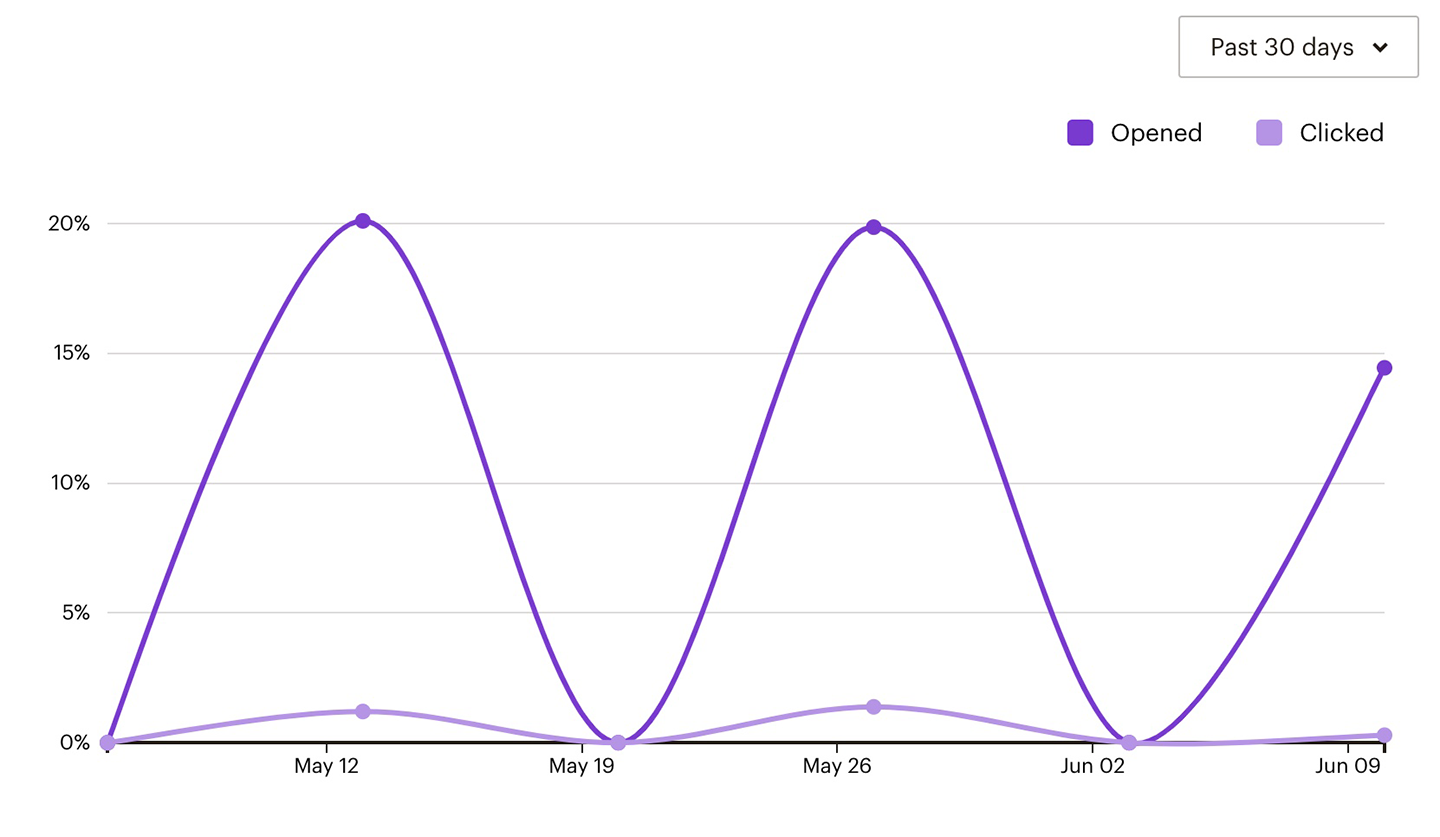
Open rates are arguably the most important stat you need to be tracking when it comes to marketing emails. Sure, your CTR (click-through-rate) is important, but if people aren’t opening your emails at all, they don’t even have the chance to click through!

These days it seems as though everyone is using emails as part of their marketing strategy; thus, audiences are receiving more emails each day than they ever have. In fact, globally there are approximately 269 billion emails sent each day! To help with the mass amount of email people are receiving Gmail has even started auto-segmenting emails into different inboxes: Primary, Social, Promotions, and Spam. This can make it even harder to get in front of the eyes of your target audience.

Fortunately, there are a few things you can do to make your e-marketing stand out! 

Here are 10 ways to improve your email marketing open rate:

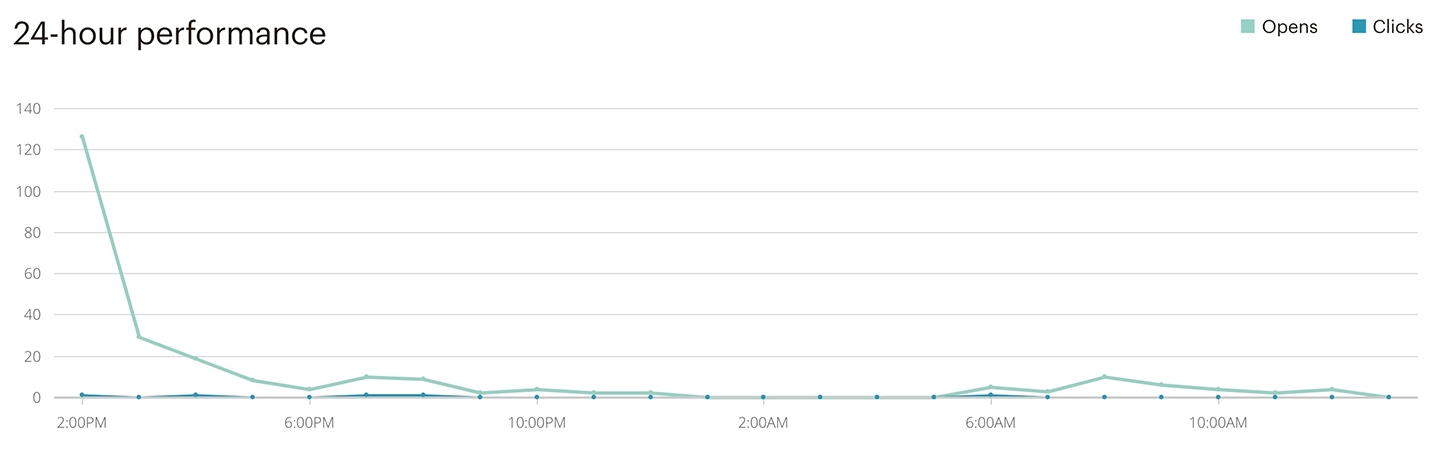
1. Send Time

Wouldn’t it be great if you could email subscribers at the exact moment, they were looking at their devices? Investigating the open times of your emails can give you incredible insight not only on the days your emails are seeing the most traffic, but also the time of day your audience is choosing to open them.

Every email list will have a unique send day and time and it’s important to use the data you have at your fingertips to help you discover your optimal send time. If you’re not sure where to start, most people check their emails in the morning when they wake up, at lunch, or in the evening before bed.

2. Engaging Subject Lines

Subject lines are the most prominent piece of information your subscriber has to make their decision on whether to open your email or not. This makes it highly important to use the space provided efficiently and effectively. Putting a special offer, an intriguing question, or creating urgency early in the subject line are all proven ways to increase your email open rates.

According to MailChimp’s email subject lines best practices there are a number of faux pas you should avoid when writing your subject lines. As tempting as these words may be to encourage a sense of urgency, words like “Help”, “Percent Off”, and “Reminder” have been found to be the most common to be caught by spam filters; avoid using them to ensure your email has a chance to get into your audiences inbox.

3. Personalization

With the amount of mass email we receive daily, when we get something that is more personalized it usually sets itself apart, like receiving a letter. Adding tags into your subject lines to include your subscribers name, city or country location can give the added pop to your emails to really catch your readers eye and encourage them to open your e-newsletter.

4. Preheader

The preheader text is the summary text that follows the subject line in the preview in the inbox. This helps the reader have more context about the email before they decide whether to open it or not. The preheader is the perfect place to put a promotional offer or to extend your subject line.

Another way to utilize the preheader is to help your email appeal to a wider audience. If your subject line only applies to a certain group of people, the preheader is the perfect time to pull in those readers that might not normally open an email about the content mentioned in the subject line.

5. Mobile First

Did you know that over half of emails are read on mobile devices now? If you are not optimizing your emails for mobile, you are hurting its chances of being opened before you even send it. To be truly mobile optimized not only does your email content need to be designed to fit and be readable on a smaller screen but your subject line and preheader need to as well.

In a mobile email service provider, you may only have 50 characters to sell your e-newsletters content with your subject line and preheader! This means placing your CTA (Call-to-Action), or keywords at the beginning of the subject line to ensure they aren’t missed.

6. Segmentation

List segmentation is arguably the best way to improve your email marketing open rate, while simultaneously reducing your unsubscribe rate.

If you send a lot of emails on various different topics you may want to consider splitting your email list into different segments depending on demographics and interests when trying to find your optimal send time and day.

7. A/B Test

A/B testing is a great way to see which parts of your email are working and which parts need to be optimized. Understanding how your audience interacts with your email, which trigger words they respond to the most, and which CTA’s get your readers to open your emails are just a few ways A/B testing can help improve your e-newsletter open rates.

Do you get more opens from questions or lists in your subject lines? Here are some other things you can A/B test to improve your open rates are:

  • Your call to action
  • Your preheader
  • Personalization: name vs. location vs. none
  • The sender name

8.  Personalize the Sender Line

Most of the emails people receive are mass marketing emails that have very little personalization and are strictly from companies trying to sell something. Readers are becoming much better at screening these emails based on the sender alone.

If you want to connect with your readers on a more personal level and have them trust that you are only sending them high-quality content, avoid using no-reply emails or generic info@. Instead use your actual name, or a pseudonym if you don’t feel comfortable handing out your actual name on the email.

9. Clean Your Email List

One really easy way to improve your open rate is to stop sending your email marketing to subscribers who don’t open your emails!

It sounds so simple, yet many marketers are more concerned with losing the potential open from someone who hasn’t opened their email in months. The size of a subscriber list is often something email marketers hold near and dear to their heart. Many have a hard time scrubbing the list of unengaged subscribers. You have worked hard at getting those people to even subscribe to your list in the first place, why should you delete them from your database altogether!? After all, they may not be opening your email-marketing right now, but they did at one point and they might again soon, right!? RIGHT!? (wrong!)

10. Stick to a Schedule

As mentioned in tip #1, finding the right send time and day is important to improving your open rate. Once you find that right day and time, stick to a consistent schedule. This helps build recognition with your readers, they are expecting your email at this point and hopefully, they’re looking forward to it! Don’t let them down or confuse them by sending at random intervals.

Now that you have the information to improve your email marketing, where do you start?

If you already have an email marketing software account such as MailChimp or Constant Contact but are unsure how to pull the data for the right day and time, A/B test, or segment your markets, we can help!

If you don’t have any email marketing software, do not be sending mass emails from your personal email, this will not only cause your personal email to be blacklisted but also is against CASL compliancy. Let us start you on the path to email marketing with a branded email template, list curating strategy and content optimization. Call today 905-836-4442 or email.

A man interacts with a touchscreen tablet at home.
IoT, NFC and Beacons

What Is The Internet of Everything? Why Should You Care?

As a leader in innovation and technology, we felt it appropriate to share a recent talk by our CEO, Sean Stephens where he addressed four of the hottest questions in the field:

  1. What is the internet of everything (IoE)?
  2. How is it changing business?
  3. What are common products are we already seeing in this space?
  4. How can it apply to your business?

You may have heard the expression internet of things (IoT) referring to internet enabled products such as appliances, vehicles, wearable and more. What then is the difference between IoT and IoE? That’s an entire other article, but to put it simply:

The difference lies in the intelligent connection. 

An IoT device or product relies on the physical object to communicate, whereas an IoE device relies on network intelligence to bring all of the concepts together into a more united system.

What Is The Internet Of Everything?

As technology evolves, there is a goal to have every single object connect to the internet in some way. This is a significant change in the information age by being connected to all our devices, utilizing machine learning to predict our every wish and desire. Does that freak you out, or excite you?

Before we get into that, let’s look back to see how we got to where we are today. Essentially there have been four revolutionary periods, and we are living in one of them today:

  1. The revolution of steam, the ability to push and drive through waterpower.
  2. The manufacturing revolution.
  3. The birth of technology with inventions such as the telephone, television, cell phones, wireless devices and more.
  4.  Today is the revolution of the internet of everything. From doors and fridges to vehicles and thermostats, almost everything is being embedded with electronics, software, sensors and connectivity, which enable things to connect and exchange data.

You are likely already using IoE and don’t even realize it! Let’s be clear though, cell phones and social media are not IoE. Devices such as thermostats and home cameras that monitor your home, connected cars with Google GPS and traffic tracking, and activity monitors that track your health, are. Soon we will have fully connected lives.

How Is This Changing Business?

It’s affecting our buying decision, to know or not when it’s connected to our personal devices or our businesses. Soon the IoE devices will become as second nature as your cell phones and coffee makers.

What Common Products Are We Already Seeing In This Space?

One of the most common: sensors. The extensibility of a sensor is endless; from knowing the position of something, the movement or displacement of an object and the velocity, to monitoring the temperature or moisture of a space, air quality, presence of chemicals and more.

You can likely think of products that identify with these sensors: smart fire alarms, smart water meters in townships, smart water monitors in basement, and smart carbon monoxide detectors just to name a few.

What makes sensors so special? You might be thinking “simply adding a sensor isn’t IoE” and you’re right! The magic comes when we start to think about changing human behaviour through positive access to information. Really, isn’t that why the sensor is there, for connectivity and access to data? We often think about connectivity being wires hooked up to two objects. Where we start to push the boundaries is when we remove the wires and connect through other options.

Let’s explore some of the technological options, which are pushing everyday devices into the IoE space:

  • Bluetooth – the connecting of devices within a limited space often about 30 meters, such as your speakers or headphones.
  • Radio-Frequency Identification (RFID) –  scanning of devices when passed through an entry point. There are several options of RFID types: paper based, labels, inlayed, buttons, chips, glue, key and more.
  • Near Field Connection (NFC) – This involves a very close connection, for example tapping your visa on a point of sale.


How can we use this data to change behaviour?

Food Industry

In a recent study using sensors and data, researchers found that Canada produced enough food for 52 million people. As our country is home to 32 million, 58 per cent of food produced is wasted. How could IoE make a difference to the food production industry in Canada or the world? It can be used to track where in the food chain spoilage occurs to help reduce the amount of waste and optimize distribution.

That’s one area, now let’s look closer at the consumer level: in a fridge.

Close-up Of A Person's Hand Operating Refrigerator With Mobile PhoneHow many times in the last month have you thrown something out from your fridge that’s expired? 

There are monitor-censored fridges available – but how many of us can afford an $8k fridge? Now imagine if you could make your fridge IoE through the use of a sensor. You would know if the door got left open accidentally, if the temperature drops or if your kids are grazing and opening the door every 5 minutes, causing massive temperature changes.

Gun Control

While this is a larger problem south of border, it’s fascinating the number of accidental deaths due to guns. Imagine if you could monitor the movement of guns, the cupboard door or drawer where it’s stored. You are instantly notified and can act. What effect would that have on the behaviour of others and us?

Water Damage

Water is the most common cause of damage and accounts for 50 per cent of home insurance claims. Imagine how with the use of small sensors, insurance companies could save thousands of dollars in claims by installing sensors in basements, sump pumps, and under sinks to catch leaks before they get out of control.

With these examples, we can see some simple IoE wins:

  • Remote control and monitoring
  • Reduce costs
  • Data collection
  • Theft, spoilage and damage prevention
  • Health monitoring

How Can It Apply To Your Small Business?

Let’s look at a few examples:

  • Asset tracking for your entire business
  • Movement
  • Monitoring supply chain inventory
  • Monitoring door movement to identify how long people stay in certain areas of a restaurant or business
  • Manufacturing – industrial IoE in robotics
  • Storage units and warehousing – monitoring the doors, temperature and humidity levels

The possibilities are endless.

Make it your own. Have you identified a specific problem that you have due to lack of access to regular data? Could you change the flow of work or increase savings in your business by leveraging sensors and data collection?

Where Do You Start?

Having helped several companies across Southern Ontario, we’ve identified the steps to take for bringing your IoE ideas to life:

  • Do you have a problem you are trying to solve? What are the basic function and features?
  • Once the idea is identified, start to sketch it out, create variety of ideas, explore alternatives, foster discussion around the potential or prototyped product, root out bad ideas, identify what you will measure
  • Design & Architecture
    • Mapping the user through use of the tool or device? How will you connect to them?
    • Identify the data to collect
    • Create 3D print or rendering of the concept
    • Prototype
    • Develop
    • Beta-test
    • Go to market

Ten years ago, if you wanted to bring a concept to fruition, it would require thousands of dollars, crowd funding and more to simply get it to market. Now with the use of 3D rendering and technology, your ideas can be birthed with relatively less investment, and in weeks not months or years.

So, what’s your idea? Connect with us; we’d love to hear it!

Resources:

Young woman using a laptop computer.
Digital Marketing

Why Are There Suddenly Fewer Image & Video Boxes in Google Search Results?

Have you noticed a difference in the way Google is displaying videos and imagery when delivering search results?

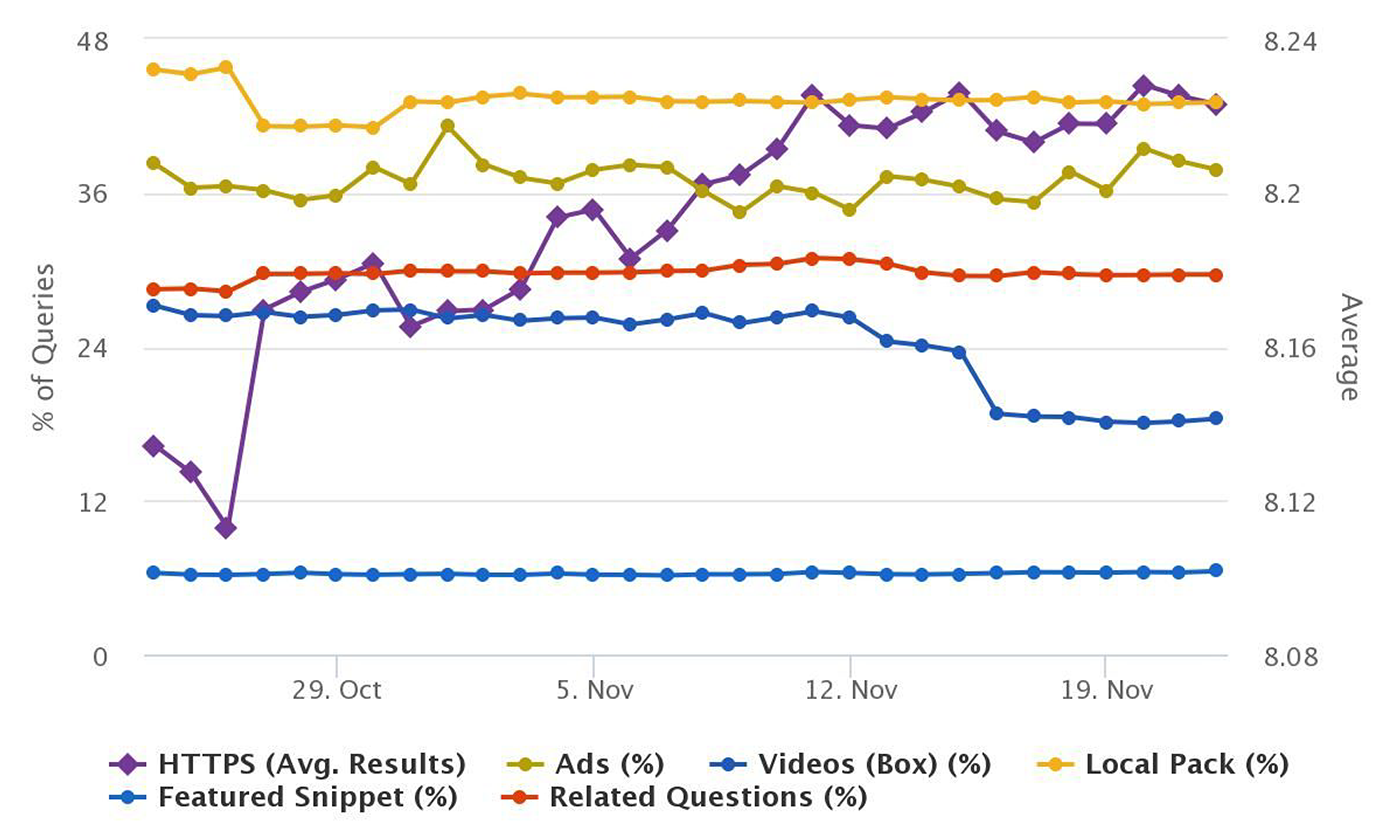
According to Search Engine Land and RankRanger, Google has begun deprioritizing imagery and video search results, lessening the percentage of time that these resources are featured on both mobile and web.

As noted by RankRanger, video carousel results began to drop around November 13th or 14th, 2018 (see dark blue), and have remained consistently low over the past few days.


Source: www.rankranger.com/google-serp-features

At Treefrog, we found this change quite interesting. It also begets the all-important question for us: why are they doing this?

There’s always a data-driven motive behind a decision like this. Here are a few of our theories:

Theory 1: Video and Image Engagement is Declining

Perhaps fewer people are clicking on image and video results.

According to a report by Buffer and BuzzSumo, this is true, at least, for Facebook. In their report, Buffer and BuzzSumo analyzed more than 43 million posts from the top 20,000 brands on Facebook and determined that average engagement per image dropped from 9,370 per post in Q1 2017 to 3,454 per post in Q2 2018.

Although, we haven’t seen any significant data on the types of queries where this is becoming a reality. For example, are images and video being scaled back for informational queries, like “where do I put my brake fluid in a 2011 Hyundai Elantra”? Or are the results affected mostly for commercial-type queries? It’s still rather unclear.

Theory 2: This is a New Strategy to Increase Ad Impressions

Perhaps Google is moving back to having people “dig” for video/image results so it can show more ads when the SERP refreshes.

In other words, instead of showing the thumbnails in universal search, users are expected to click again to specify “Images” or “Videos”. Although this seems uncharacteristic for Google—they’re usually in the habit of lessening clicks rather than adding them.

With recently improved Expanded Text Ads, Google has given us more room to play with as digital marketers (see screenshot) – allowing for extra headlines (^140%) and more descriptive text (^14%). These changes were designed to maximize brand presences on mobile specifically, in response to today’s mobile-first world.

And as our mobile devices have grown in size, we have to ask ourselves, would Google rather replace prime search result real estate with ad space over videos and images? We wouldn’t be at all surprised.

Theory 3: Google Is Refining Video Previews

Perhaps Google is refining the video “preview” feature in SERPs, and they removed the image and video results temporarily to work on them.

We’re not sure if you agree, but the video previews are algorithmically driven at the moment, and not quite ideal. Google is not in the habit of keeping something alive if it isn’t widely adopted. So it could be that they are tinkering with the experience so that people get more use out of the preview feature.

Or, maybe they’re revising it so that it can better determine when to show a video box, when to show an image box, and when to show both (or neither).

Photo sign made by human hands on blurred sunset sky as background

Conclusion

We predict Google will return these results with some enhanced capabilities.

Google is unlikely to remove SERP features completely unless there is indeed a massive decrease in click-throughs from image and video SERP results. It would be strange to do this, given that video and images, especially for informational queries, are still extremely useful.

Another possibility is… maybe they just love messing with people!

A hand touching a floating graphic of interconnected icons
Digital Marketing

How To Leverage A Digital Presence Analysis – Part 2

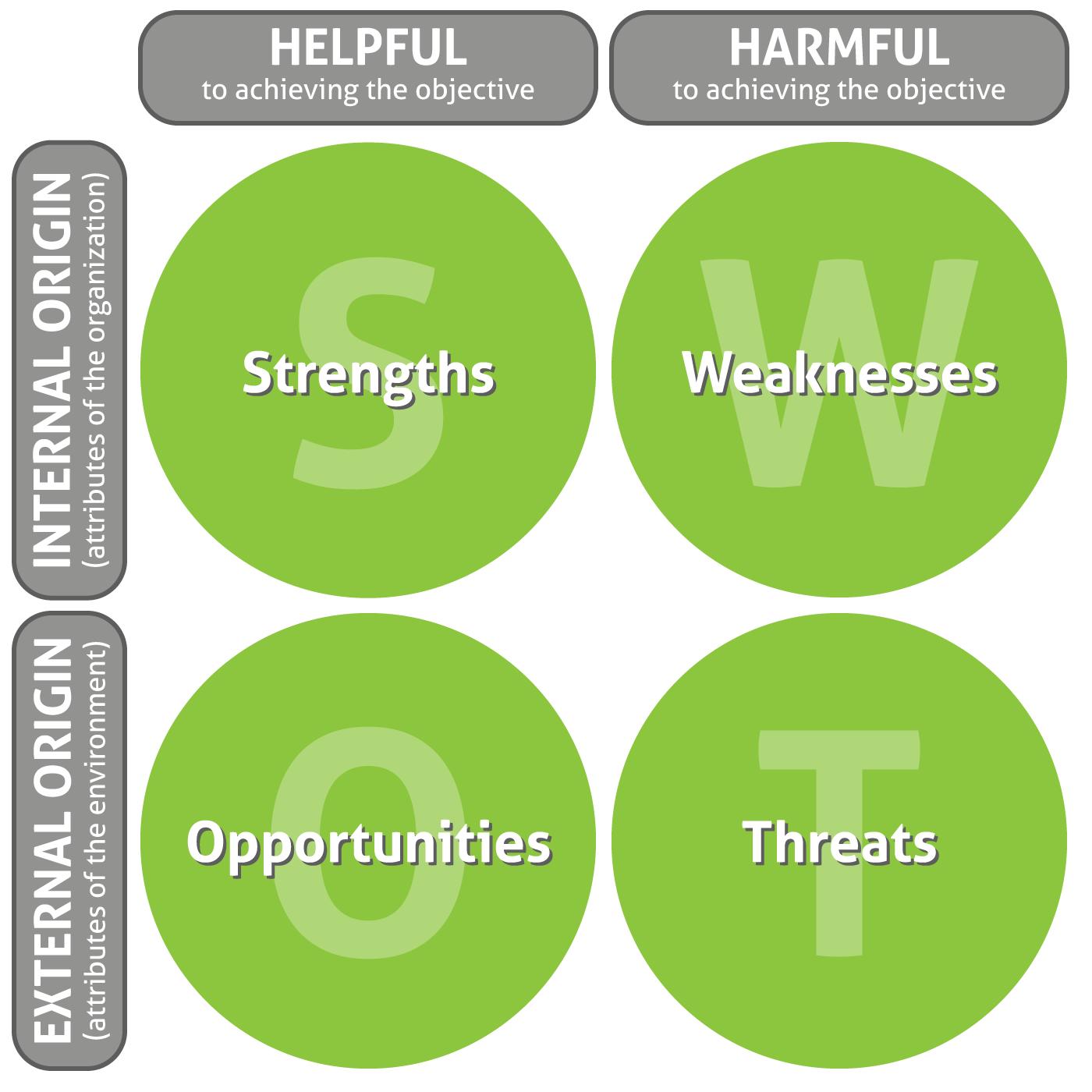
In part one of our series on digital presence analyses, we explored how to perform a ‘SWOT Analysis to Review Your Digital Presence’. This included information on how to evaluate the strengths and weaknesses of your brand, as well as how to identify the opportunities and risks your brand may access and face.

However, while it’s a great step to have completed a SWOT analysis, many of you may be asking: What do I do with all of that information? What’s next?

In part two of our series, we will discuss how to leverage the information collected in a SWOT analysis to create customer profiles of whom your strategic digital presence will target.

Identifying Consumer Personas

Before you can begin actioning the goals identified in your SWOT analysis, you’ll need to use the information you’ve collected to build quality and well-rounded consumer personas.

  • 44% of the B2B marketers have already discovered the power of Personas
  • 83% of B2B marketers expect to use Personas in the near future.

A fictional digital persona taps into the psyche of the people who are most likely to engage with your brand. Persona’s take hours of research to develop and can include details as specific as age, gender, occupation, education, where a person shops, what types of social media networks they use, how many kids they have, and so much more.

However, as noted by Hubspot, it’s just as important to understand what personas are not:

  1. Target markets
  2. Job titles/roles
  3. Dependent on specific tools or technology
  4. Specific real people

Overwhelmed?

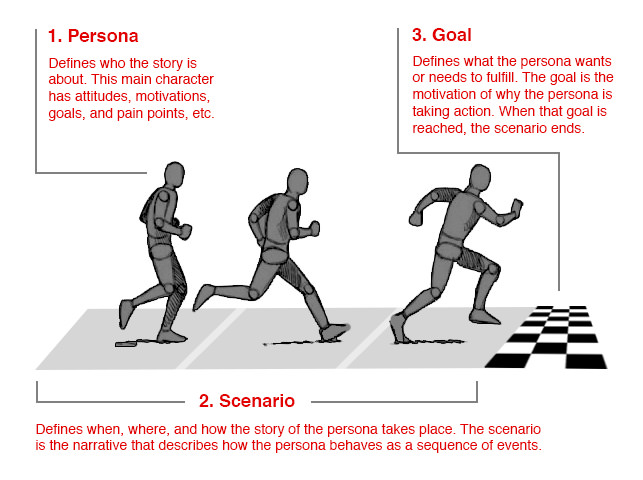
Think of the buyer journey as a story in three parts:

Persona: Defines the main character in the buyer story. Who they are, what they do, and why they do it. This includes their pain points, their fears, what brings them joy, and what stirs them.

Scenario: Where does the story take place? In a store? Online? How does the persona behave in that environment? Why did they arrive there instead of somewhere else?

Goal: What does the persona want out of their buying experience? What needs do they have? What is their motivation? What will make their experience a success?

Source: www.smashingmagazine.com/wp-content/uploads/2014/06/04-running-persona-opt.jpg

The goal-oriented buyer persona study is important because without knowing whom your specific target market is and how they act, how will you know how to cater your marketing initiatives? How will you know which platforms and methods of advertising you should use to connect with them?

By doing the research up front, personas will save you time and money – as your marketing ventures will target the right people right off the bat, increasing your chances of sales and conversions.

How To Create A Persona

Research is always your best tool. The more you know, that more you can strategize and make informed marketing decisions. It’s therefore crucial to first identify some basic questions about your ideal customer:

  • Who are they?
  • What questions do they ask?
  • Why are they ideal?

If you are able to develop a persona that is based on your ideal customer (maybe even someone who is already buying from you), your persona research process will become much more realistic and informed. From there you can ask more specific questions such as:

  • What is their budget?
  • What does their daily life look like?
  • Where so they spend most of their time?
  • What they’re drawn to and why?

This data can be gathered through customer surveys, Facebook and Google Analytics, industry statistics, interviews, focus groups, and anthropological research.

Bonus Tip: Hubspot suggests that in order to recruit people to participate in your persona research interviews or surveys, it’s always a good idea to offer incentives, to be clear that your ask for participation is not a sales call, and to make it easy to say yes – by making the process simple and flexible.

Hubspot also provides some great Persona Interview Questions that are worth checking out!

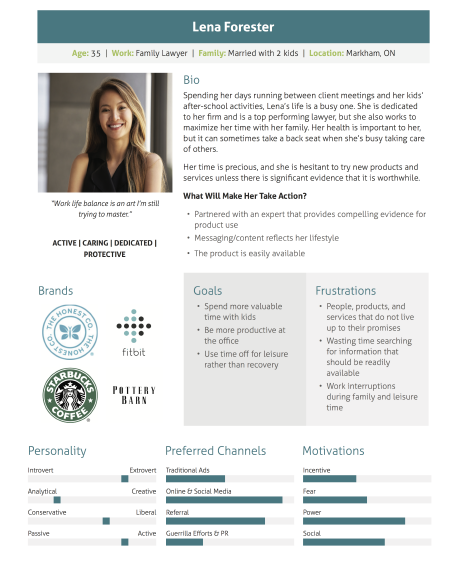
Here’s an example of a persona we’ve identified for a client here at Treefrog:

Once your persona profiles have been developed, make clear and strategic decisions as to which platforms you will use to market to them, what type of language you’ll use to speak to them, and make the effort to engage your personas in the ways they’re most likely to respond.

For example, the fictional Lena Forester is most likely to engage with social media ads, is motivated by power, is analytical, wants to spend more time with her kids while also being productive at the office, and she is drawn to products that partner with trusted experts and relate to her. It’s therefore not surprising that she is a fan of family-friendly yet sophisticated brands like Fitbit, The Honest Co., and Starbucks, as each fits her lifestyle and answers to her needs and desires.

Should another company wish to market to Lena, they will have to tap into these same things – leveraging the knowledge that she likes easily accessible products, that she hates work interruptions when at home, and that she is active and protective.

However, keep in mind that the persona’s your brand appeals to can evolve and change over time as preferences and interests shift. What appeals to Lena in 2017 and 2018, may not appeal to her in the same way when her children have grown into young adults, and she’s considering retirement. It’s therefore important to update your personas over time and to consistently check the pulse of your audience.

Putting Your Personas To Work

Once you have developed your personas, you’ll be able to use the data to specify your advertising reach – especially through content development and targeted social posting.

When it comes to blogging, understanding your audience will allow you to craft topics and provide sharable content that makes your customers say, “It’s like this article was written just for me!” By connecting with your target market on a more personal and strategized way, they’re more likely to share the content, engage with your brand, and purchase your product or service.

Creating user-driven content will also benefit your SEO as valuable content improves ranking and will help connect even more potential customers to your brand.

When it comes to social advertising, platforms like Facebook allow advertisers to insert specific persona data into the Facebook Ads system, which will position your advertisement in front of people, on both Facebook and Instagram, who most meet the specifications of your targeted persona. Incredible, isn’t it?

  • 56% of companies have created higher quality leads using Personas.
  • 24% of companies gained more leads using Personas.

Moving Forward

Once you have verified your top priorities and have conducted your persona research; it’s time to move into brainstorming and the dissemination of tasks.

As most digital presence initiatives cannot be completed alone – you’ll need to assemble a team, communicate the information gathered in your SWOT and persona analyses, create a content campaign, and assign to-dos based on individual strengths… but those are topics for other Treefrog articles to come! *wink, wink*

Contact Treefrog Today!

Should you require assistance to identify your brand persona profiles, consult an agency that will be able to conduct deep analysis of your customers. Understanding and developing the basis for a marketing plan is no easy task – and at Treefrog, our team is here to help.

Call us at 905-836-4442 or submit a free quick quote to learn more. 

Business man taps on a computer tablet. Various tech related graphics are superimposed.
Digital Marketing, Web Design & Development

How To Leverage A Digital Presence Analysis – Part 1

Part One: Using SWOT Analysis to Review Your Digital Presence

Having a digital presence once upon a time meant that you had a website. Today, digital presence covers so much more than just a website; it includes your brand’s targeted keywords, strategized content, analytics about your online visitors, e-commerce and lead conversions, engagement on social media, and beyond. The lines are continually blurring between what defines “marketing”, and what defines “digital marketing”. Soon enough, these will be considered the same thing, because any business who is not considering digital as part of their overall marketing mix is missing the boat.

When it comes to understanding your digital presence, it’s important to first evaluate your goals over time by asking a few questions:

  • How do customers research your product?
  • Where can customers buy your product? 
  • What do people think about when they see your brand?
  • What target market are you trying to reach?
  • How does your digital presence measure up against your competitors?

These are just some of the questions you need to be asking. Once we’ve started to establish a clearer understanding of our digital presence, it’s helpful to conduct an assessment of a “where are we now” overview. This can be effectively done by conducting a tried-and-true method: a SWOT analysis.

Let’s dig in: 

SWOT Digital Presence Analysis

There are a number of ways to approach an assessment of your digital presence, and one insightful approach is to apply SWOT to your digital presence. SWOT stands for:

  • Strengths
  • Weaknesses
  • Opportunities
  • Threats

By leveraging the SWOT analysis method, you’ll be able to take a deeper look into what your brand is doing right online and what your brand is doing wrong. Below we examine some of the items you should consider when analyzing your online presence.

Strengths

What is your digital presence doing well

Odds are your digital presence isn’t completely terrible – unless it simply doesn’t exist or you haven’t touched it in months. To identify your strengths, it’s important to leverage available tools that can help you understand how people are currently using your website, such as Google Analytics. You should also be leveraging your social media account analytics to get a sense of how people perceive your brand. Make an effort to ask both your clients and those who have never interacted with your brand for feedback. It is best to remove your personal bias when examining what works and what doesn’t.

Strength Examples:

  • You have a social media posting schedule and you are engaging your audience.
  • You have a clear budget to make some improvements.
  • You have a marketing resource that can dedicate time to improving your digital presence, whether in-house or a third-party provider.

Weaknesses

What is your digital presence lacking?

Much like your strengths, you’ll be able to gain insight into your weaknesses by reviewing data and asking for external feedback. After years of attachment to your brand, you can become too narrow-minded when it comes to truly understanding the pain points of your presence. By asking outsiders to review your brand for the first time, you’ll have a much clearer understanding of the first impression your company is giving, and also the information that is not being articulated well.

Weakness Examples:

  • Your website is outdated, difficult to navigate, and possibly boring.
  • You can’t remember the last time you added new content to your site. Existing content has poor grammar, broken links, references to events that are years old… in other words, digital cobwebs.
  • You haven’t posted anything on social media in months (or years).
  • You don’t rank well on search engines where you should (yet your competitors do).

Opportunities

What opportunities would have a positive impact on your digital presence?

When it comes to your digital presence, there is always room for improvement. Now that we’ve looked at your weaknesses, we can use them to create a list of opportunities. Companies should never quit looking for new possibilities, even if they think things are just fine. Why be great when you can be innovative and set the bar as high as you can for all other companies in your industry? Not to mention you want to remain top of mind to your customers and be a bright, shining beacon to new prospects. Keep in mind also that digital changes quickly—what works today may just not work tomorrow.

Opportunity Examples:

  • Optimize calls to action on your website will create clear pathways from users to the information they need, and ultimately to you (a.k.a. leads!).
  • Leverage the content you have to connect with clients on social media to build long-lasting relationships and referrals (more leads!).
  • Create new content that answers the questions you hear from clients – let your website and social media be your 24-hour-a-day salesperson (did we mention leads?).
  • Technology is advancing all the time, and there are new channels and features to leverage.

Threats

What factors could threaten the success of your digital presence?

With change comes risk. However, never changing can pose even greater risks. By neglecting your digital presence, you face the threat of becoming irrelevant, stagnant, and forgotten. It is important always to stay ahead of the curve and to take risks and expand capabilities and knowledge to reduce threats.

Threat Examples

  •  Competitors have a better online presence with better brand recognition, more followers, and higher rankings.
  • Your budget for improvement is limited.
  • Your internal team doesn’t have the time or marketing knowledge to build your online presence.
  • You don’t have any metrics to tell you what’s working and what isn’t.

Leveraging SWOT

Once you have identified your company’s strengths, weaknesses, opportunities, and threats, you should then be able to outline appropriate objectives to reach your goals. In other words, you need to know where you are and where you want to go before you can start determining a plan of how to get there.

To learn more about Digital Presence Analysis’ and how to leverage your SWOT findings to achieve your goal, check out ‘Part Two’ of our DPA coverage on Persona’s.

To get your SWOT Analysis started, contact Treefrog Inc. today. By identifying your brand strengths, weaknesses, opportunities, and threats, we’ll help you to identify the areas of your business that require the most attention. Once you have a clear understanding of where you’d like your digital presence to go, we can also help to design and implement a roadmap that will help you to achieve your goals.

Call us at 905-836-4442 to learn more. 

Coworkers sit and stand, looking at a paper held by a woman.
Branding & Design, Digital Marketing, Web Design & Development

How To Strategically Plan Your 2018 Marketing Budget

Marketing budgets vary per company and industry, but what’s true about all businesses, is that having a marketing budget, no matter what size, is necessary.

In this article, we discuss what should be included in your marketing plan, and provide an overview of the below checklist – which covers the action items you’ll need to complete as you head into 2018:

  1. Organize your finances
  2. Identify your needs and goals
  3. Determine your spend
  4. Develop a marketing plan
  5. Decide how to allocate your budget
  6. Action your plan

Organize Your Finances To Identify Your Needs

Before creating your marketing budget for 2018, you need to strategically organize and collect social and financial data that will allow you to:

  • Identify holes or ‘misses’ in past marketing campaigns
  • Identify 2017 gross revenue to predict 2018 gains
  • Reflect upon which areas (social, content, SEO) you are struggling in
  • Identify which areas of your business need attention and larger investment

Identifying Your Needs & Goals

Once your financial plan is in order, you will be in a better position to consider the state of your business and how much focus you will need to give social media, website building, design, SEO, or content marketing in the upcoming year. Having a clear understanding of this data will help you to identify your actionable needs and goals for 2018, such as:

  • Developing a social media campaign around a new fundraiser you’re hosting
  • Increasing SEO to rank higher on search engine results pages (SERPs)
  • Updating out-dated content on your website
  • Designing new marketing material to hand out at a tradeshow you’ll be attending
  • Starting fresh with a new website

What is your biggest priority for 2018?

Determining Your Spend & Plan

Brand New Companies

Companies that are less than a year old are likely limited to a very small marketing budget. They should, therefore, leverage predominantly free social media platforms (Ex. Facebook, Instagram, etc.) and consider attending a comprehensive Social Media Training session to begin generating buzz around their brand. By learning how to strategically publish yourself, you’ll reduce costs.

New Companies

Businesses that have been established for one to five years should consider using a healthy percentage of their gross revenue on print (Ex. brochures at tradeshows) and digital marketing (Ex. website enhancements and blog development). A larger marketing budget will help to launch awareness and boost familiarity amongst new and returning customers.

Established Companies

Companies that have been in business more than five years, and have a secure budget for marketing, should allocate a substantial amount of their gross income to brand marketing (Ex. Email marketing, PPC, and social media/content campaigns). For companies who exist in extremely competitive markets, are in need of brand reputation management, or who are promoting a new service or product, this budget should only continue to increase.

Allocating Your Budget

Branding

Graphic design can transform a boring and stagnant brand into something refreshed, relevant, and captivating. Although branding feeds into SEO, social media, content, and website integration, most branding begins in the design studio – where talented teams research and draft branding materials that reflect the vibe and intent of the company’s messaging.

If your business relies on brochure material, tradeshow booth design, or needs a complete logo and brand overhaul, your marketing budget should be catered towards branded design elements, as well as the integration of those designs – into your social media platforms, web copy, and website.

SEO Management

Companies that find they are in need of more quality leads, improved recognition, and higher visibility within search engines like Google, are in need of quality and consistent SEO management, as well as PPC advertising.

However, SEO relies heavily on quality content to rank and perform ideally. Therefore, if your business is in need of SEO, you’re also in need of new and better content – audited, identified, and strategically improved throughout your website.

61% of marketers say improving SEO and growing their organic presence is their top inbound marketing priority.

Local searches lead 50% of mobile visitors to visit stores within one day. (Google, 2014

78% of local-mobile searches result in offline purchases. (Search Engine Land, 2014

Content Marketing

Web content articulates your visual brand messaging in text. In other words, content backs the intent and messaging that your branding portrays. Content also goes a step further – to provide context, drive actions, present valuable information, help your company to rank well in search engines, and, in most cases, helps users make an informed consumer decision.

While writing words for a webpage may seem easy, content marketing does more than just list details about a product and tell you why it’s great. Content marketing strategically develops copy that will speak directly to a targeted market, tap into their concerns and interests, support SEO, and drive specific conversion goals. This targeted marketing is also effective for email marketing broadcasts.

53% of marketers say blog content creation is their top inbound marketing priority. (HubSpot, 2017

On average, B2B marketers allocate 28% of their total marketing budget to content marketing. (Content Marketing Institute, 2015

Social Media Marketing

For businesses looking to improve brand recognition and to interact with their customers and clients, a new marketing budget should shift primarily to social media engagement, management, and development. With SSPC on the rise, companies need to consider investing money in social media advertising – to convert social media engagement into a potential sale of a product or service. By allocating the rest of your budget towards content development and SEO management, your online profile will continue to flourish.

83% of all marketers actively pursue social media marketing initiatives. (Aberdeen, 2016

Nearly one-third of the world uses social networks regularly. (eMarketer, 2016

Website Design

If your website is out-dated, hard to navigate, and is not serving the purpose it should – it’s time to dig deep and invest in SEO, content, social media, and web design. Working together to achieve the succinct goal of driving brand recognition, leads, and success for your company, each of these marketing sectors can deliver a complete overhaul for your public and online persona.

While a full website build is a major investment, the payoff of refreshing your entire brand at once will ensure the future of your business is on-trend and prosperous.

Investing In End of Year Marketing

Is your online business holiday ready? If your company relies on online sales during the end of year season, your marketing budget should allow for an increase in spend during these months. That means more social media campaigns, a stronger PPC play, content development to drive interest, and graphics to support your initiative.

For more information on re-visiting your end-of-year ecommerce marketing budget, check out our article ‘Now’s The Time To Spruce Up Your Ecommerce’.

81% of shoppers conduct online research before making big purchases.

Actioning Your Plan

With so many options of where to begin, it can be hard to identify which marketing venture your company should be focused on and participating in. That’s where we come in.

Treefrog Inc. – Your Digital Marketing Solutions Specialists

At Treefrog Inc., we understand that the needs of B2B and B2C clients are sometimes different, and our Client Care Advocates are well versed in identifying client needs based on their pain points and industry sector. If you’re not sure where to begin, we can help:

  • Social Media Training
  • Content Development Workshops
  • SEO Training
  • Email Marketing
  • Website Programming
  • Graphic Design
  • Content Marketing
  • Social Media Management
  • SEO

As one of Treefrog’s Marketing Partner’s (MP’s), your business will receive monthly project management, support, strategizing, development, and reporting – across content, SEO, and social media departments (if required).

To learn more about planning your upcoming marketing budget, contact us today or give us a call at 905.836.4442

An open sketch book on a table with social media related illustrations.
Digital Marketing

Why Social Media Works

Many business owners enter the world of social media marketing believing that it will immediately take their business from zero to 100 in just a few clicks. However, this expectation isn’t realistic. Social media marketing takes time, effort, and a well-developed strategy. Enough momentum also needs to be kick-started and maintained to start seeing a notable increase in ROI.

So, if you’re wondering if you should be leveraging social media marketing for your business, the short answer is ‘yes’. No matter what industry your business is a part of; here are five reasons why social media will work for you:

1. Sophisticated Targeting

The biggest advantage to social media marketing is the ability to target your ideal audience – much more accurately when compared to traditional marketing tactics.

Through Facebook Ad Campaigns, you can target individuals based on age, gender, location, household income, interests, education, workplaces, languages, relationship status, parenting status, and so much more! Sophisticated targeting has proven to be an incredibly valuable tool for getting your ads in front of the right people. Almost 90% of marketers say their social marketing efforts have increased exposure for their business, and over 50% of marketers who have been implementing social media marketing tactics for two years have reported improved sales.

2. Real-Time Feedback

Social media marketing allows businesses to receive feedback on their products and services in real-time.

When you put out a new product or service, you can immediately start tracking how well it’s doing based on how many people are talking about it, what is being said, and what comments and concerns people are leaving. This provides a great foundation for businesses to decide what changes or improvements to make.

In addition, real-time feedback provides great insight into ad campaigns. In traditional marketing, once you put out an ad in a newspaper, there is no way for you to stop the ad from running or to make any changes. However, with social media marketing, you can pause or completely stop the ad campaign if you notice that it is not doing as well as you hoped. You can then make changes to the ad or create a new ad campaign. Being able to edit your posts will save you a ton of money and will ensure that your marketing dollars are being spent wisely.

3. Build Relationships with Customers

Social media has the power to transform big companies into organizations of everyday people through humanization.

Through social media, you are able to share the ‘real’ side of your company, from photos and videos of company events or employee milestones, to simply having a conversation with a customer in the comment section of a Facebook post. Not only will this make your brand more relatable, it will also improve customer loyalty.

Loyal customers who feel valued, listened to, and appreciated are typically more willing to share what they love about your company online. Loyal customers are also more likely to try out new products or services (when you release them) and leave a positive review – which will help to build your brand awareness.

4. Brand Awareness

Brand awareness refers to the extent of which customers are able to recognize a brand – which is central to purchasing decision-making.

Creating brand awareness is one of the key steps in promoting a product, and social media gives your business the perfect opportunity to show off your brand to the right people. Through sophisticated targeting and real-time feedback, you’ll get an idea of what type of content works best for your target audience. By building brand awareness using this knowledge, you are also able to increase brand loyalty and build better relationships with your customers.

5. Know Your Competitors

If you analyze the social media efforts of other businesses, you’ll find insights to improve your own social media marketing.

Chances are, your competitors are on social media. This is your opportunity to directly see what types of content they are posting and what’s working and not working for them. You can search the interests of people who like your competitors Facebook pages, analyze their twitter audiences, monitor keywords, identify industry influencers that your competitors are taking advantage of, and discover the best hashtags to use with your posts.

Are you ready to use social media to your advantage?

Request a free quote or give us a call at 905.836.4442 today!

Man's hand circling several floating icons with a red marker
Digital Marketing

It’s Time To Get On Board With Facebook Advertising

With 40% of users actively deciding what to buy based on what they have seen on social media platforms, Social Pay-Per-Click (S-PPC) advertising is now more important than ever!

Get a Free Social Pay-Per-Click Quote

Ever researched something on Google and then, while using Facebook or Instagram, you suddenly see advertisements for the exact thing you had been searching for prior?

Ahhhh… the power of social media advertising. It seems to just follow you everywhere, doesn’t it?

Facebook and Google are the two key players in marketing and advertising today, and as Social Media Manger Laurie Baker puts it, “Anyone that’s doing PPC, should also be doing SPPC”.

Social Pay-Per-Click Facts

  • Facebook advertising grew by 50% between 2015-2016.
  • Facebook has more than 3 million active advertisers and over 50 million business pages.
  • Social network ad spending is expected to reach $36 billion in 2017.
  • Social advertising represents 16% of total digital ad spending worldwide.

“40% of users are actively deciding what to buy based on what they have seen on social media platforms, including reviews and recommendations, and this is only set to grow”.Stuart Kerr

It may seem overwhelming to wrap your mind around how this new wave of advertising is designed and implemented, but in the ever-changing landscape of social media and SEO, it’s time to get on board with social advertising.

What is SPPC?

PPC stands for pay-per-click, an advertising model in which marketers use the Internet to get the word out about a service or product. What’s different about PPC advertising is that marketers must pay a fee each time one of their ads is clicked on by a potential online customer. In other words, you’re paying for successful leads.

S-PPC stands for social pay-per-click; pay-per-click with a focus on placing ads through social media platforms like Facebook and Instagram. The ‘S’ is for social – get it?

To break down the reasons why it’s time for your business to start investigating options for Facebook and social advertising, we sat down with our very own Social Media Anthropologist, Dr. Laurie Baker, to get the full SPPC scoop.

What We Learned About Social Pay-Per-Click Advertising

Leveraging The Personal

Facebook is unlike any other advertising platform in that the advertising you produce leverages your friends and personal Facebook connections for dissemination and visibility. Facebook also uniquely receives different types of queries than Google.

For example, someone on Facebook is more like to search specific products they’ve heard about and then engage with the company by liking or following them – an action that cannot be performed on a basic website.

These actions generate a following and help to build your social brand awareness as your connections can “share”, “like”, and help to promote your brand to their own friends.

Social Proofing Is On The Rise

More than ever before, having a lively social profile is extremely important when securing a lead. No longer do consumers just Google a company to find their website or location. Consumers now also want to check out brands on Facebook, Instagram, and Twitter – to see if their own interests and values align with a product they’re interested in. If potential customers like what they see, they’re more like to make a purchase, follow your accounts, and interact with you across multiple social platforms.

Online Marketing Is Editable

Unlike print advertising, online marketing is editable on-the-fly. Should you place a Facebook ad online and not receive the results you were hoping for, you can simply alter the message and re-visit your strategy, or just turn it off. Designed with business success in mind, SPPC marketing allows for seasonality, flexibility, adaptability, and peace of mind (that you can fix your message or adjust your budget) – just in case!

Advanced Target Marketing

Social advertising surpasses all other forms of advertising in its advanced targeting capabilities. For example, Facebook allows marketers to target their ads to extreme specifics in the following categories:

  • Gender
  • Marital Status
  • Age
  • Political Leanings (specific regions)
  • Location
  • Occupation
  • Income (specific regions)
  • Interests
  • Upcoming Celebrations

An example of how specific you can really get with Social Media Advertising:

Newly married parents, between the ages of 30-35, who have a newborn child, both work in IT, make a combined salary of $120,000, live on Davis Drive, like French bulldogs, shop at Walmart, and have a relative or friend with an upcoming birthday.

Crazy, huh?

Advanced targeting is also cost effective, as these ads don’t just show up on Facebook; they can be seen on various apps (such as Instagram), and on websites!

Consult The Social Advertising Experts

Lost? Our specialized Treefrog Social Media team has strategized and executed countless successful social media ad campaigns for businesses just like yours. By completing a full competitive analysis and identifying what other key players in your industry are doing, our team can design an SPPC strategy that can take your online social presence to the next level.

Ready to get started with Social Pay-Per-Click Advertising? Request a free quote or give us a call at 905.836.4442 today!

Scroll to Top