
Web Design & Development

Close up of a keyboard, but instead of a shift key, there is a compliance key
Digital Marketing, Web Design & Development

What Does Compliance Mean For Your Business?

What is compliance? It is where a business adheres to established guidelines and specifications, or is the process of doing so.

Why is this important? The goal of the compliance program is to reduce an organization’s overall risk of violating the standards as set out.

We’ve found there are several governing bodies and compliancies that organizations need to take into consideration when building a digital presence. In this article we are going to cover a few of the top standards. Depending on your location, industry, and whether your website is marketing or informational, an e-commerce site or user specific in gathering details,  there are many regulations that you need to monitor to stay current in your digital space.
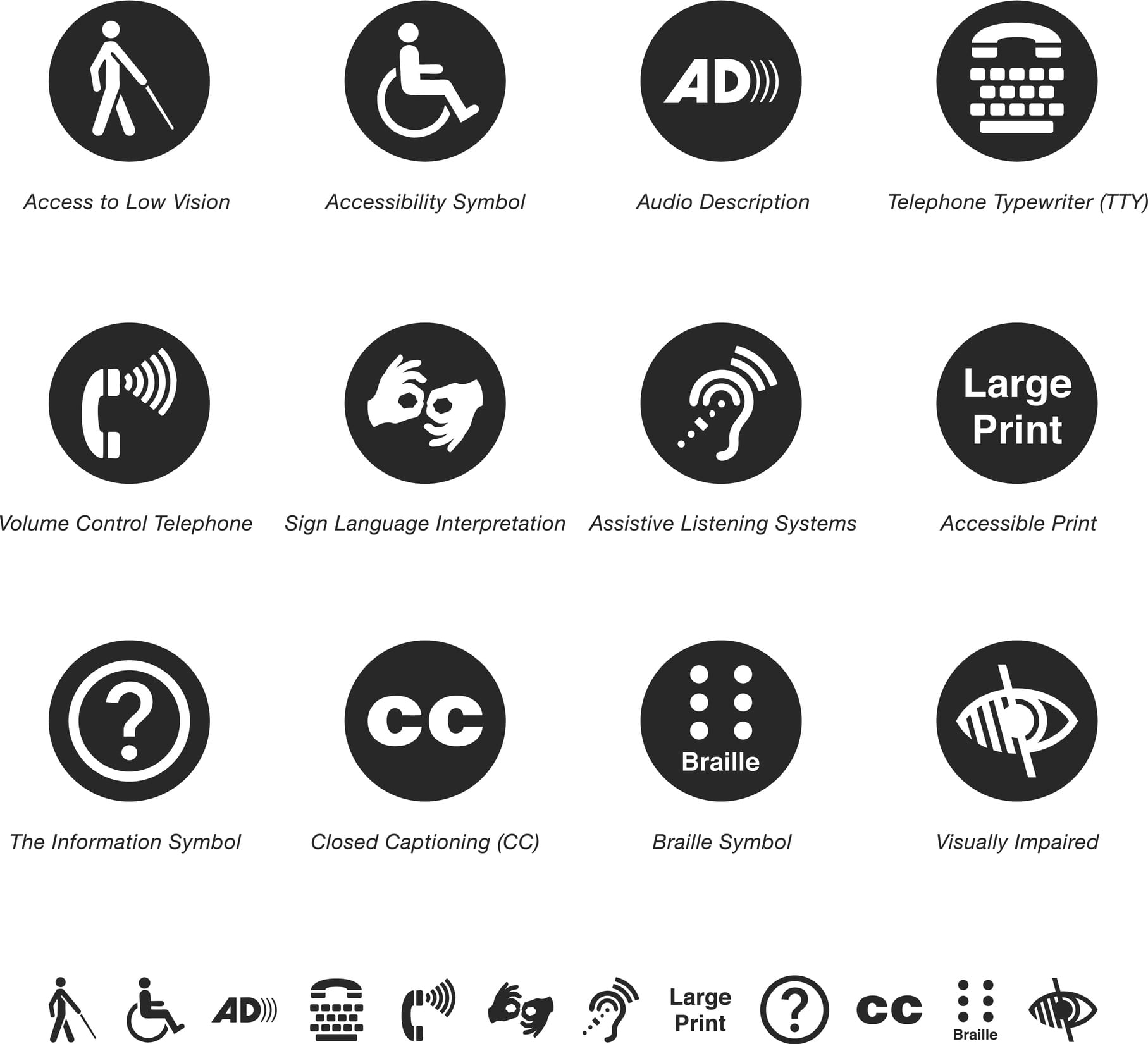
AODA symbols

Accessibility for Ontarian’s with Disabilities Act (AODA)

Since June 2005, Ontario has enforced AODA compliance law. The Accessibility for Ontarian’s with Disabilities Act applies to both the private and public sectors in Ontario, and requires individuals and organizations to follow accessibility standards in five areas:

  1. information and communications
  2. customer service
  3. transportation
  4. employment
  5. design of public spaces

To find out how to be compliant with AODA, all public organizations, non profits and private businesses must complete an AODA compliance report. This report is a tool to ensure all businesses are following AODA guidelines. Businesses with over 20 employees must complete the report.

Some general requirements of AODA include:

  • Providing training to staff and volunteers.
  • Developing an accessibility policy.
  • Creating a multi-year accessibility plan and update it every five years.
  • Considering accessibility in procurement and when designing or purchasing self-service kiosks.

If you’d like to learn more on how to make your website compliant to AODA, check out this previous article.

Cropped shot of a senior woman holding a cane in a retirement home

Health Insurance Portability and Accountability Act (HIPPA)

HIPPA is a federal law that sets national standards to protect medical records and other personal health information. Protected health information can be defined as:

  1. Information that identifies an individual.
  2. Information maintained or exchanged electronically or in hard copy.

This applies to any health care provider, health plans and healthcare clearing houses who transmit health information electronically. Healthcare providers that must comply with HIPPA rules include hospitals, health clinics, nursing homes, doctors, dentists, pharmacies, chiropractors and psychologists. Health plans include health insurance providers, company health plans, government programs such as Medicare and veterans health care programs.

Businesswoman using laptop, searching web, browsing information, having workplace at office

Canada’s Anti-Spam Legislation  (CASL)

CASL is a federal law protecting consumers and businesses from poor digital technology practices such as spam. This law was created in 2014 to ensure best practices in email marketing. Spam has become an issue online and is constituted as any unsolicited email, text message or software. The legal definition of spam according to Canada’s Anti Spam Legislation is:

  • Unauthorized alteration of transmission data.
  • The installation of computer programs without consent.
  • False or misleading electronic representations (including websites).
  • The harvesting of addresses (collecting and/or using email or other electronic addresses without permission).
  • The collection of personal information by accessing a computer system or electronic device illegally.

This law applies to all businesses in Canada who use promotional emails to target audiences. CASL states that all promotional emails must include a working unsubscribe link, the recipient must be able to identify the sender, and brands are only allowed to send emails to those who have agreed to receive them or who have done business together within the last two years.

How to know if someone has given consent to receive promotional emails?

Express consent:  A person has given oral or written consent to receive emails. This form of consent does not expire and is valid until the email recipient unsubscribes from emails.

Implied consent:  If someone has purchased a product from a brand or used a brands service, this is considered implied consent, and the brand can send promotional emails to this recipient. However, this form of consent expires between 6 months to 2 years.

Cropped shot of a mature businessman working on a laptop in an office

General Data Protection Regulation (GDPR)

The European Union’s General Data Protection Regulation came into force in 2018, and has implications on Canadian organizations that control or process personal information in the European Union (EU). The European Union is a political union that is made up of 28 states.  Members of the EU include Austria, Belgium, Bulgaria, Croatia, Cyprus, the Czech Republic, Denmark, Estonia, Finland, France, Germany, Greece, Hungary, Ireland, Italy, Latvia, Lithuania, Luxembourg, Malta, the Netherlands, Poland, Portugal, Romania, Slovakia, Slovenia, Spain, Sweden and the United Kingdom.

This regulation has changed the way European personal data is handled from healthcare to banking information. Examples of personal data include a name, home address, an ID card number, location data, a cookie ID, data held by a hospital or doctor.  The regulation protects EU data privacy and shapes the way organizations approach data privacy.

We have seen an increase in pop-ups on websites to notify users that cookies are being used on sites, and that consent is required if the users is going through the website.

Online payment and shopping concepts

Payment Card Industry Data Security Standard (PCI DSS)

PCI is a set of security standards that ensure all businesses that accept, process, store or transmit credit card information maintain it securely.  This standard applies to any organization that accepts credit cards.  There are four PCI compliance levels that are based on merchants credit card transactions over a 12-month period.

Merchant levels include:

  • Level 1: Any merchant that processes over 6 million credit card transactions per year.
  • Level 2: Any merchant that processes 1million to 6million credit card transactions per year.
  • Level 3: Any merchant that processes 20,000 to 1 million transactions per year.
  • Level 4: Any merchant that process less than 20, 000 transactions per year.

Small to medium-sized businesses include Level 4 merchants and must follow a few steps in order to satisfy PCI requirements.

Did You Know?

Since 90 per cent of breaches impact small businesses. Making sure your e-commerce is compliant may be intimidating, but it is necessary! Want to know if you are protected? Contact us today.

Digital technology lifestyle of school girl child or student using wireless internet for distance learning application and reading e-book app on mobile ipad smart device multimedia computer tablet

Children’s Online Privacy Protection Act (COPPA)

COPPA was formed in 1998 to address issues concerning the privacy of children online. The goal of COPPA is to place parents in control of what information is collected from their children online.  This rule applies to operators of websites and online services, including mobile apps directed to children under age 13 that collect personal information from them.

Personal Information collected from children can include:

  • First and last name.
  • Physical address.
  • Contact information.
  • Telephone number.
  • Social insurance number.
  • Photographs, videos or audio files, that contains a child’s image or voice.
  • Geolocation information that can identify street names cities, or towns.

Protection network security computer and safe your data concept. Laptop working develop coding program with key on keyboard

Secure Sockets Layer (SSL) Certificate

SSL certificates ensure that a website is secure, and should be used by everyone who would like to protect their information.  SSL certificates are small data files that secure connections from the website server.

Why should you add an SSL certificate to your website?

SSL is used to secure confidential information such as credit card transactions, login information, and data transfers. It will also keep your data secure, increase google rankings, build customer trust, as well as improves conversion rates.

When an SSL certificate is installed to your website’s server the application protocol (or HTTP) will change to HTTPS. The ’s’ means the website is now secure. For example, Treefrog is a secure website and will appear as https://www.treefrog.ca.

Group of mid 20's and 30's men and women engaged in application development job. They are seated by long desks back to back, each person in front of dual screen computer. 

Moderator Features

While this is not a compliance, moderators are something that website owners should consider when developing an application that allows users to load their own content, such as a blog. There are different types of moderators that protect the site from issues. Text moderators restrict unwanted text from an application or website, while photograph monitors restrict pictures from being shared (i.e pornographic images).

Did You Know?

If you are found to be non-compliant, you face a possible fine of up to $100,000 per day!

Staying Up to Date with Compliance

Becoming aware of rules and regulations, whether federal, provincial, or industry-wide is an excellent place to start in making sure you are compliant. However, without the proper expertise, it can all be daunting.

By working with Treefrog Inc, we can help you build or update your website to meet your specific requirements so that you never have to worry about data privacy or whether you are compliant. If you would like a complimentary evaluation of your website to learn about what you need to do to ensure compliancy, please let us know.

Don’t forget to subscribe to our monthly Digital Digest Newsletter to get top technology and digital tips and trends for your business. Sign up today!

List all article referenced here:

Business man taps on a computer tablet. Various tech related graphics are superimposed.
Digital Marketing, Web Design & Development

How To Leverage A Digital Presence Analysis – Part 1

Part One: Using SWOT Analysis to Review Your Digital Presence

Having a digital presence once upon a time meant that you had a website. Today, digital presence covers so much more than just a website; it includes your brand’s targeted keywords, strategized content, analytics about your online visitors, e-commerce and lead conversions, engagement on social media, and beyond. The lines are continually blurring between what defines “marketing”, and what defines “digital marketing”. Soon enough, these will be considered the same thing, because any business who is not considering digital as part of their overall marketing mix is missing the boat.

When it comes to understanding your digital presence, it’s important to first evaluate your goals over time by asking a few questions:

  • How do customers research your product?
  • Where can customers buy your product? 
  • What do people think about when they see your brand?
  • What target market are you trying to reach?
  • How does your digital presence measure up against your competitors?

These are just some of the questions you need to be asking. Once we’ve started to establish a clearer understanding of our digital presence, it’s helpful to conduct an assessment of a “where are we now” overview. This can be effectively done by conducting a tried-and-true method: a SWOT analysis.

Let’s dig in: 

SWOT Digital Presence Analysis

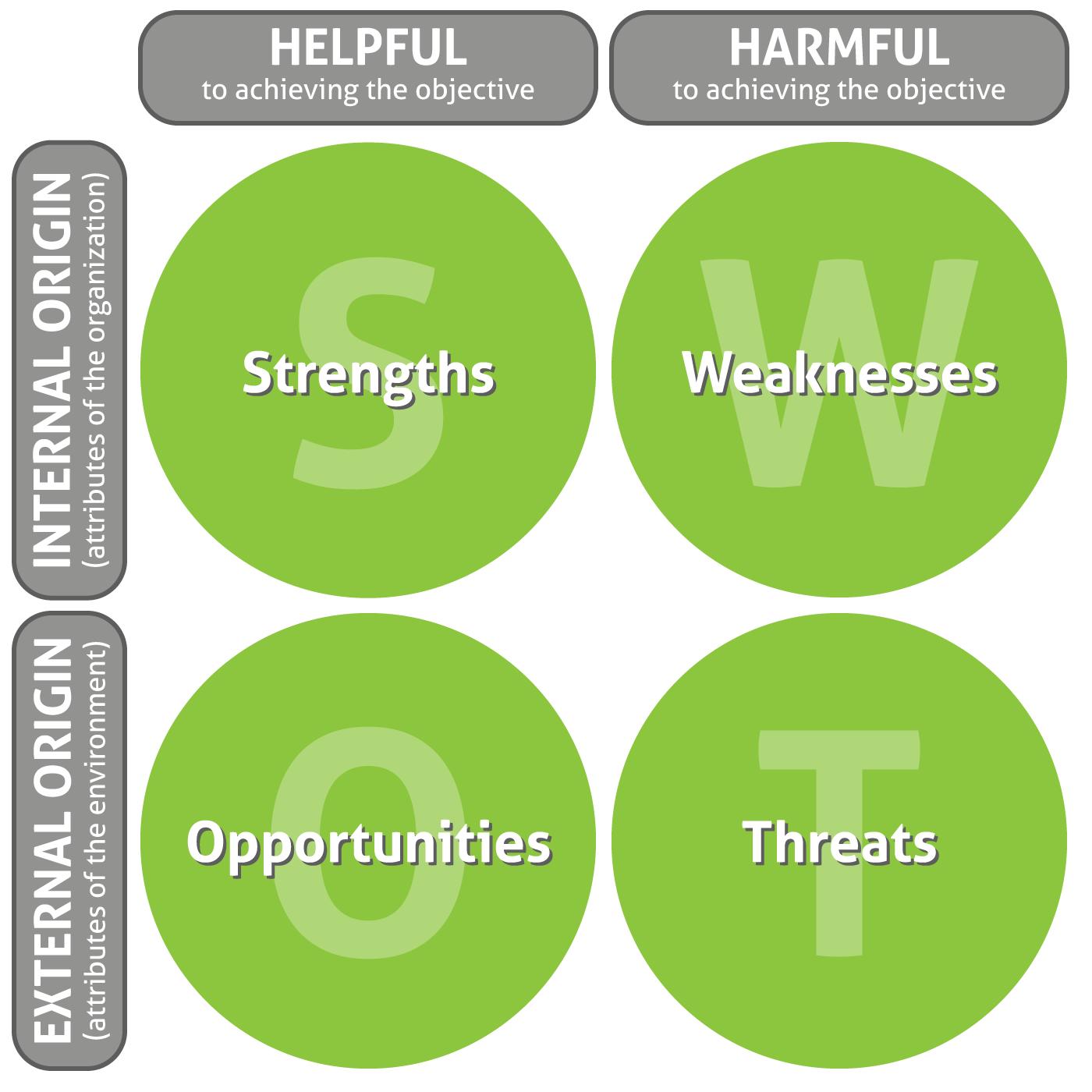
There are a number of ways to approach an assessment of your digital presence, and one insightful approach is to apply SWOT to your digital presence. SWOT stands for:

  • Strengths
  • Weaknesses
  • Opportunities
  • Threats

By leveraging the SWOT analysis method, you’ll be able to take a deeper look into what your brand is doing right online and what your brand is doing wrong. Below we examine some of the items you should consider when analyzing your online presence.

Strengths

What is your digital presence doing well

Odds are your digital presence isn’t completely terrible – unless it simply doesn’t exist or you haven’t touched it in months. To identify your strengths, it’s important to leverage available tools that can help you understand how people are currently using your website, such as Google Analytics. You should also be leveraging your social media account analytics to get a sense of how people perceive your brand. Make an effort to ask both your clients and those who have never interacted with your brand for feedback. It is best to remove your personal bias when examining what works and what doesn’t.

Strength Examples:

  • You have a social media posting schedule and you are engaging your audience.
  • You have a clear budget to make some improvements.
  • You have a marketing resource that can dedicate time to improving your digital presence, whether in-house or a third-party provider.

Weaknesses

What is your digital presence lacking?

Much like your strengths, you’ll be able to gain insight into your weaknesses by reviewing data and asking for external feedback. After years of attachment to your brand, you can become too narrow-minded when it comes to truly understanding the pain points of your presence. By asking outsiders to review your brand for the first time, you’ll have a much clearer understanding of the first impression your company is giving, and also the information that is not being articulated well.

Weakness Examples:

  • Your website is outdated, difficult to navigate, and possibly boring.
  • You can’t remember the last time you added new content to your site. Existing content has poor grammar, broken links, references to events that are years old… in other words, digital cobwebs.
  • You haven’t posted anything on social media in months (or years).
  • You don’t rank well on search engines where you should (yet your competitors do).

Opportunities

What opportunities would have a positive impact on your digital presence?

When it comes to your digital presence, there is always room for improvement. Now that we’ve looked at your weaknesses, we can use them to create a list of opportunities. Companies should never quit looking for new possibilities, even if they think things are just fine. Why be great when you can be innovative and set the bar as high as you can for all other companies in your industry? Not to mention you want to remain top of mind to your customers and be a bright, shining beacon to new prospects. Keep in mind also that digital changes quickly—what works today may just not work tomorrow.

Opportunity Examples:

  • Optimize calls to action on your website will create clear pathways from users to the information they need, and ultimately to you (a.k.a. leads!).
  • Leverage the content you have to connect with clients on social media to build long-lasting relationships and referrals (more leads!).
  • Create new content that answers the questions you hear from clients – let your website and social media be your 24-hour-a-day salesperson (did we mention leads?).
  • Technology is advancing all the time, and there are new channels and features to leverage.

Threats

What factors could threaten the success of your digital presence?

With change comes risk. However, never changing can pose even greater risks. By neglecting your digital presence, you face the threat of becoming irrelevant, stagnant, and forgotten. It is important always to stay ahead of the curve and to take risks and expand capabilities and knowledge to reduce threats.

Threat Examples

  •  Competitors have a better online presence with better brand recognition, more followers, and higher rankings.
  • Your budget for improvement is limited.
  • Your internal team doesn’t have the time or marketing knowledge to build your online presence.
  • You don’t have any metrics to tell you what’s working and what isn’t.

Leveraging SWOT

Once you have identified your company’s strengths, weaknesses, opportunities, and threats, you should then be able to outline appropriate objectives to reach your goals. In other words, you need to know where you are and where you want to go before you can start determining a plan of how to get there.

To learn more about Digital Presence Analysis’ and how to leverage your SWOT findings to achieve your goal, check out ‘Part Two’ of our DPA coverage on Persona’s.

To get your SWOT Analysis started, contact Treefrog Inc. today. By identifying your brand strengths, weaknesses, opportunities, and threats, we’ll help you to identify the areas of your business that require the most attention. Once you have a clear understanding of where you’d like your digital presence to go, we can also help to design and implement a roadmap that will help you to achieve your goals.

Call us at 905-836-4442 to learn more. 

Coworkers sit and stand, looking at a paper held by a woman.
Branding & Design, Digital Marketing, Web Design & Development

How To Strategically Plan Your 2018 Marketing Budget

Marketing budgets vary per company and industry, but what’s true about all businesses, is that having a marketing budget, no matter what size, is necessary.

In this article, we discuss what should be included in your marketing plan, and provide an overview of the below checklist – which covers the action items you’ll need to complete as you head into 2018:

  1. Organize your finances
  2. Identify your needs and goals
  3. Determine your spend
  4. Develop a marketing plan
  5. Decide how to allocate your budget
  6. Action your plan

Organize Your Finances To Identify Your Needs

Before creating your marketing budget for 2018, you need to strategically organize and collect social and financial data that will allow you to:

  • Identify holes or ‘misses’ in past marketing campaigns
  • Identify 2017 gross revenue to predict 2018 gains
  • Reflect upon which areas (social, content, SEO) you are struggling in
  • Identify which areas of your business need attention and larger investment

Identifying Your Needs & Goals

Once your financial plan is in order, you will be in a better position to consider the state of your business and how much focus you will need to give social media, website building, design, SEO, or content marketing in the upcoming year. Having a clear understanding of this data will help you to identify your actionable needs and goals for 2018, such as:

  • Developing a social media campaign around a new fundraiser you’re hosting
  • Increasing SEO to rank higher on search engine results pages (SERPs)
  • Updating out-dated content on your website
  • Designing new marketing material to hand out at a tradeshow you’ll be attending
  • Starting fresh with a new website

What is your biggest priority for 2018?

Determining Your Spend & Plan

Brand New Companies

Companies that are less than a year old are likely limited to a very small marketing budget. They should, therefore, leverage predominantly free social media platforms (Ex. Facebook, Instagram, etc.) and consider attending a comprehensive Social Media Training session to begin generating buzz around their brand. By learning how to strategically publish yourself, you’ll reduce costs.

New Companies

Businesses that have been established for one to five years should consider using a healthy percentage of their gross revenue on print (Ex. brochures at tradeshows) and digital marketing (Ex. website enhancements and blog development). A larger marketing budget will help to launch awareness and boost familiarity amongst new and returning customers.

Established Companies

Companies that have been in business more than five years, and have a secure budget for marketing, should allocate a substantial amount of their gross income to brand marketing (Ex. Email marketing, PPC, and social media/content campaigns). For companies who exist in extremely competitive markets, are in need of brand reputation management, or who are promoting a new service or product, this budget should only continue to increase.

Allocating Your Budget

Branding

Graphic design can transform a boring and stagnant brand into something refreshed, relevant, and captivating. Although branding feeds into SEO, social media, content, and website integration, most branding begins in the design studio – where talented teams research and draft branding materials that reflect the vibe and intent of the company’s messaging.

If your business relies on brochure material, tradeshow booth design, or needs a complete logo and brand overhaul, your marketing budget should be catered towards branded design elements, as well as the integration of those designs – into your social media platforms, web copy, and website.

SEO Management

Companies that find they are in need of more quality leads, improved recognition, and higher visibility within search engines like Google, are in need of quality and consistent SEO management, as well as PPC advertising.

However, SEO relies heavily on quality content to rank and perform ideally. Therefore, if your business is in need of SEO, you’re also in need of new and better content – audited, identified, and strategically improved throughout your website.

61% of marketers say improving SEO and growing their organic presence is their top inbound marketing priority.

Local searches lead 50% of mobile visitors to visit stores within one day. (Google, 2014

78% of local-mobile searches result in offline purchases. (Search Engine Land, 2014

Content Marketing

Web content articulates your visual brand messaging in text. In other words, content backs the intent and messaging that your branding portrays. Content also goes a step further – to provide context, drive actions, present valuable information, help your company to rank well in search engines, and, in most cases, helps users make an informed consumer decision.

While writing words for a webpage may seem easy, content marketing does more than just list details about a product and tell you why it’s great. Content marketing strategically develops copy that will speak directly to a targeted market, tap into their concerns and interests, support SEO, and drive specific conversion goals. This targeted marketing is also effective for email marketing broadcasts.

53% of marketers say blog content creation is their top inbound marketing priority. (HubSpot, 2017

On average, B2B marketers allocate 28% of their total marketing budget to content marketing. (Content Marketing Institute, 2015

Social Media Marketing

For businesses looking to improve brand recognition and to interact with their customers and clients, a new marketing budget should shift primarily to social media engagement, management, and development. With SSPC on the rise, companies need to consider investing money in social media advertising – to convert social media engagement into a potential sale of a product or service. By allocating the rest of your budget towards content development and SEO management, your online profile will continue to flourish.

83% of all marketers actively pursue social media marketing initiatives. (Aberdeen, 2016

Nearly one-third of the world uses social networks regularly. (eMarketer, 2016

Website Design

If your website is out-dated, hard to navigate, and is not serving the purpose it should – it’s time to dig deep and invest in SEO, content, social media, and web design. Working together to achieve the succinct goal of driving brand recognition, leads, and success for your company, each of these marketing sectors can deliver a complete overhaul for your public and online persona.

While a full website build is a major investment, the payoff of refreshing your entire brand at once will ensure the future of your business is on-trend and prosperous.

Investing In End of Year Marketing

Is your online business holiday ready? If your company relies on online sales during the end of year season, your marketing budget should allow for an increase in spend during these months. That means more social media campaigns, a stronger PPC play, content development to drive interest, and graphics to support your initiative.

For more information on re-visiting your end-of-year ecommerce marketing budget, check out our article ‘Now’s The Time To Spruce Up Your Ecommerce’.

81% of shoppers conduct online research before making big purchases.

Actioning Your Plan

With so many options of where to begin, it can be hard to identify which marketing venture your company should be focused on and participating in. That’s where we come in.

Treefrog Inc. – Your Digital Marketing Solutions Specialists

At Treefrog Inc., we understand that the needs of B2B and B2C clients are sometimes different, and our Client Care Advocates are well versed in identifying client needs based on their pain points and industry sector. If you’re not sure where to begin, we can help:

  • Social Media Training
  • Content Development Workshops
  • SEO Training
  • Email Marketing
  • Website Programming
  • Graphic Design
  • Content Marketing
  • Social Media Management
  • SEO

As one of Treefrog’s Marketing Partner’s (MP’s), your business will receive monthly project management, support, strategizing, development, and reporting – across content, SEO, and social media departments (if required).

To learn more about planning your upcoming marketing budget, contact us today or give us a call at 905.836.4442

Illustration of interconnecting points
Digital Marketing, Web Design & Development

Why Your Business Should Always Renew Your Domain Name With a Reputable Company

A cautionary tale in domains

You wake up in the middle of the night with a fabulous new business idea. You now need a website! First things first, you look for a domain name. The domain name is an essential piece of your brand and may involve your keywords, your company’s name or is possibly is just memorable by the name itself.

As the months pass and your website is live, your business is running and you are now working 18-hour days running your business. The small little thing, like a domain name, is farthest from your mind now thinking of what’s it’s doing or how it’s working for you. Until it happens…the renewal!

Have you ever thought of what happens if you don’t renew you domain name?

If you own a domain (unless you have purchased it for 5 or 10 year increments) you will receive an annual renewal notice, they are typically sent out at 90 days, 60 days, and 30 days, depending on your registrar. The desire is that this will prompt you to renew with adequate notice. But should you miss the renew date it does expire and enters a grace period.

For 0 – 40 days, depending on the kind of domain name you have (.com, .ca, .uk etc.), past that expiry date your domain name sits waiting for you to change your mind. All in the hopes that it was possibly a mistake and you will pay the fee and return it to its former glory, housing your website!

During this grace period all services associated with your domain name stop working. That means, all of your email addresses associated with that domain name will no longer receive email, and your website on that domain name will be inaccessible.

After the grace period has come and gone the domain name finally does one of two things. It either enters a redemption period where you can still get your domain name back one more time (for an additional fee on top of the renewal), or it fully expires. Finally, it’s then publicly listed with other “to be released” domains and sold to the highest bidder. There are a lot of people out there reading those lists of domains in search of domains to purchase, but that’s a whole other subject for another time.

Can you imagine if your domain name was sold off to the highest bidder?

For an example, let’s take the current mayor of Toronto who owned robford.ca. This domain housed the website which was home of everything Rob Ford when he was city councillor before becoming mayor. He would update it with council votes, council expenses and the site held information for you to contact him. But since becoming mayor, someone along the way either forgot to renew it  (possibly wherever he was hosting the domain, or they never let him know?). Or possibly just deemed robford.ca not necessary anymore and let it completely, totally expire.

It sat for the 0 – 40 day grace period and was then released back into the pool and sold off to the highest bidder. Now Mr Mayor Rob Ford’s domain name is in the hands of someone else, who’s having it re-direct to the Toronto Star, or posting “Rob Ford (January 31, 1862 – June 8, 1892) was an American outlaw best known for killing his own gang leader Jesse James in 1882” and now taking suggestions on what to do next. Who knows the eventual fate now of robford.ca, but whatever happens now isn’t controlled by Rob Ford.

The Mayor Rob Ford now uses http://www.robfordformayor.ca and http://www.toronto.ca/mayor_ford, but to let a domain he was using for years lapse is a costly move for him, and would be a costly move for any business.

If your business is online, then you have a domain name! It’s connected to your website and possibly your email. It’s how you tell prospective clients and current clients where you are, how they get in contact with you and is part of your brand. Your business is important and your domain is the most important piece to that online identity.

Ensure your domain name is renewed yearly or better yet purchase it for 10-years, show stability to the search engines and put your mind at ease.

One of the best practices at Treefrog is that we renew every domain in our account for our clients and each domain is checked over by trained staff who know the value of keeping that domain. Even if you do finally choose to let your domain go, we follow up with you personally to ensure this is what you want. So make sure your domains are with a reputable company and are renewed so, unlike Rob Ford, you will control your  domain for many years to come.

A hand holds a credit card, while the other types on a laptop keyboard
Digital Marketing, Web Design & Development

Now’s The Time To Spruce Up Your Ecommerce

Is your online business holiday ready? Now’s the perfect time to spruce up your ecommerce site before the pre-holiday shopping season sneaks up on you!

You may be shaking your head and saying “Are you crazy! It’s only June!”

But trust us. Fixing, updating, and crafting content takes time, and any company using ecommerce to sell products over the holidays needs to start addressing their site’s pain points now.

“But how do you identify pain points?”

We’re glad you asked!

Common pain points for ecommerce sites can range from too little content to too much content, to terrible photo quality, and beyond. So, to help you to identify all the things needing to be addressed within the framework of your ecommerce site, we’ve developed the following checklist of questions that need answering.

Are you using the right platform for your brand?

As the popularity of ecommerce continues to rise, it can be overwhelming to choose which platform will work best to sell your products. That’s why we at Treefrog meet with our clients to understand their goals, the product(s) they’re selling, and then suggest the platform we know will best match their specific needs.

Should a client want to change their online store from one platform to another, we can help with that too!

Have you lost track of the last time you updated your online store?

In competitive markets, it’s essential to refresh and revitalize your retail offerings, especially as the seasons change. Forgetting to update your site could cause you to oversell products (without having enough stock), or cause fans of your brand to get bored, seeing the ‘same old’ each time they come to your site looking for something new.

At Treefrog Inc., we offer training sessions that teach you how to enter your ecommerce site and edit your material quickly and easily. This knowledge allows you to remove products you no longer sell and add new ones that you’d like to feature. We can also provide guidance on what to write in your descriptions, how to position your content messaging, and how to leverage social media to create brand awareness!

Is your content helpful and clear?

Strong and descriptive content can be the push an interested customer needs to follow through with their purchase. Without helpful details about sizes, or materials, or product quality, potential customers may feel they don’t have enough information to commit to their order, especially when having to pay for shipping.

How can we help? Our content marketing team uses their expertise to conduct content audits on websites that need improving. By analyzing each page of your site, including every image and description, we develop a detailed document that provides suggestions for growth, editing, and expansion. Should a client then hire us to work on developing their content, we’ll collaborate with them to apply the suggestions we made, update content that needs to be refreshed, and improve the message they’re articulating.

Are your pictures professional?

If your pictures are outdated and blurry, odds are your user experience is being tainted. The modern customer values professionalism, and to stay competitive, your images need to not only sell your products but also needs to communicate the value of your brand.

Our department of graphic designers and photographers can help. With professional equipment and a key eye for lighting, balance, and detail, our team ensures the images our clients use are consistent and brand appropriate.

Have you thought about SEO?

While the above items are important steps in ensuring your website is ready for the holiday rush, they’re irrelevant unless people are able to find your site! This is where our SEO team comes in.

Our team of Search Engine Optimization Specialists make sure that navigation links are accessible, that webpages have unique titles, URLs, and meta descriptions, that page headings are appropriate (in terms of keyword searching), and more. Each of these additions naturally increases success by enhancing site visibility to new and existing customers online. So, while we know it’s hard to start thinking about the holidays already, we can promise you’ll thank us for giving you this little push to start working on improving and updating your site now. Getting a head start will reduce your holiday stress and will undoubtedly help you to secure more sales from happily returning customers.

Once your site is polished to perfection, it will be time to think about how you want to promote it, via social media, email marketing, and other viable channels.

For more information on how our team can help ensure that your ecommerce site is holiday ready, give us a call today at 905.836.4442!

A rocky waterfall
Digital Marketing, Web Design & Development

Increase Your Google PageSpeed Score Part 2: Web Development & Optimization

For the second part of our Google PageSpeed blog post series, we’ll be taking a look at more advanced techniques to adhere to Google’s recommendations. If you haven’t had a chance to read the first part to increasing your Google PageSpeed score, start now! Recalling on the Google PageSpeed insight rules, the speed rules include the following:

  • Avoid Landing Page Redirects
  • Enable Compression
  • Improve Server Response Time
  • Leverage Browser Caching
  • Minify Resources
  • Optimize Images
  • Optimize CSS Delivery
  • Prioritize Visible Content
  • Remove Render-Blocking JavaScript
  • Use Asynchronous Scripts

We’ve already covered avoiding landing page redirects, enabling compression, optimizing CSS delivery and removing render-blocking JavaScript in our first part. In this blog post, we’ll be taking a look at prioritizing visible content, minifying resources and optimizing images.

Note: The following recommendations below assume you fully understand web development best practices as well as server software programming, HTML, JavaScript and CSS programming. If you aren’t too sure of these techniques described, give us a shout and we’ll help you out!

1. Prioritize Visible Content

Putting an emphasis on giving users a high quality mobile experience, Google states “having a mobile-friendly website has become a critical part of having an online presence”. As such, they recommend ensuring that the above-the-fold content of the page is rendered quickly and efficiently.

Above-the-fold is the portion of the webpage that is visible without the need to scroll down. Ensuring the above-the-fold content displays quickly, prevents waiting time for the user. However, if the data exceeds the initial congestion window (a self-imposed variable that limits the amount of data that can be sent), then additional back and forth data transmission between your server and the user’s browsers will occur. This in turn creates a slower and delayed page load for the user.

In other words, if the above-the-fold content isn’t loading quickly enough, users are more likely to leave. The above-the-fold content is the first touch point for most users and they are less likely to stick around for the rest of the webpage to load if the above-the-fold content can’t even load quickly and properly.

What to do:

  • Structure your HTML to load the critical content first:
  1. Identify the critical content of your webpage. For example, if the page is an article, the body text and images are the most critical content. Third-party widgets may fall as secondary items that can be deferred.
  2. Ensure the critical content of your webpage loads first. Structure your HTML such that the critical content is rendered immediately. For example, you may want to inline a portion of the CSS into the HTML file to ensure the styling of the critical content is rendered first, while the rest of the page is styled after the CSS file is rendered later.
  • Reduce the amount of data used by enabling compression and/or minifying resources:
  1. Reduce the size of your HTML, CSS and JavaScript files by enabling compression. As discussed in our previous post, to enable compression you will need to make updates to your .htaccess file.
  2. Minify your HTML, CSS and JavaScript files, which is discussed in detail below

2. Minify Your Resources

Ensure the sizes of your resources are reduced to allow faster transferring of data. Reducing the size of your files will require less data to be transferred from your server to the user’s browser, thereby making the above-the-fold as well as the entire page load much quicker.

What to do:

After writing your HTML, CSS and JavaScript code, you can look at ways to reduce the file size by removing unnecessary or redundant code, unused code and applying shorter variable and function names. Although it may be against code-writing best practices, you can also remove commenting, formatting and removing whitespace altogether. For example, the following CSS code is 953 bytes and has commenting, formatting, whitespace as well as redundant code:

/* ## Headings

——————————————— */

h1 {

      font-size: 36px;

      font-size: 3.6rem;

      color: #333;

      font-family: Lato, sans-serif;

      font-weight: 400;

      line-height: 1.2;

      margin: 0 0 10px;

}

h2 {

      font-size: 30px;

      font-size: 3rem;

      color: #333;

      font-family: Lato, sans-serif;

      font-weight: 400;

      line-height: 1.2;

      margin: 0 0 10px;

}

h3 {

      font-size: 24px;

      font-size: 2.4rem;

      color: #333;

      font-family: Lato, sans-serif;

      font-weight: 400;

      line-height: 1.2;

      margin: 0 0 10px;

}

h4 {

      font-size: 20px;

      font-size: 2rem;

      color: #333;

      font-family: Lato, sans-serif;

      font-weight: 400;

      line-height: 1.2;

      margin: 0 0 10px;

}

h5 {

      font-size: 18px;

      font-size: 1.8rem;

      color: #333;

      font-family: Lato, sans-serif;

      font-weight: 400;

      line-height: 1.2;

      margin: 0 0 10px;

}

h6 {

      font-size: 16px;

      font-size: 1.6rem;

      color: #333;

      font-family: Lato, sans-serif;

      font-weight: 400;

      line-height: 1.2;

      margin: 0 0 10px;

}

This code can be significantly reduced to 311 bytes by removing the redundant code, comments, formatting, and white space:

h1,h2,h3,h4,h5,h6{color:#333;font-family:Lato,sans-serif;font-weight:400;line-height:1.2;margin:0 0 10px}h1{font-size:36px;font-size:3.6rem}h2{font-size:30px;font-size:3rem}h3{font-size:24px;font-size:2.4rem}h4{font-size:20px;font-size:2rem}h5{font-size:18px;font-size:1.8rem}h6{font-size:16px;font-size:1.6rem}

It may become taxing to minify all your resources manually, especially if you have a large website. Luckily, there are free tools available online to minify your resources for you. A simple search for “HTML minify”, “CSS minify” or “JavaScript minify”, will result in various tools you can use. The fall back with using these tools as well as minifying these resources yourself is that the code needs to be minified again whenever you make any updates or changes. As an alternative and depending on the CMS you use, you can automate the process by leveraging plugins. For WordPress and Drupal sites, there are many minify plugins available that can minify HTML, CSS and JavaScript individually or all at once.

As a last alternative, you may also want to use Google’s PageSpeed Module if your server is Apache or Nginx. There are various filters that help optimize your website’s page speed inclusive of reducing resources sizes such as Minify JavaScript. Take a look at their mod_pagespeed documentation for more information.

3. Optimize Images

Ensure the file size of images is reduced without significantly impacting their visual quality. Reducing the size of your image files will require less data to be transferred from your server to the user’s browser, thereby making the above-the-fold as well as the entire page load much quicker.

This may require its own blog post in the future since there are plenty of best practices and image optimization checklists to do. It also really depends on how your website is structured: if your website is highly visual than a much more thorough optimization strategy is required. However, if your website has some images here and there, there are quick and easy things you can do.

What to do:

  • Ensure the images are served at their native dimensions and specify the width and height in the img tag to prevent “popping” when the page is loading
  • Compress your images to reduce file size. Try using PNG files as they are lossless formats and do not make any visual modifications to the image.
  • If you’re using JPEG files and are compressing the images, try to reduce the quality below 85. Past the quality of 85, the file size becomes larger but doesn’t improve visually. Compress the image as low as possible without losing visual quality.

Develop With File Size in Mind or Use Tools To Optimize

These recommendations are best executed during the designing and development stage of building the website. Arranging the structure of the content beforehand can prioritize and serve the critical content to users right from the start. Programming HTML, CSS and JavaScript and optimizing the images with the file size in mind ensures a quicker page load right when the website goes live.

In most cases however, these items may be overlooked or unnoticed during the development stage. To act on these recommendations long after a website has been live, we can leverage: enabling compression, minifying resources and image compression.

As noted in Part 1, every website is different and there are little nuances that make your website unique. It’s very important you test these recommendations first before implementing them.

As always, if you have any questions or comments regarding these recommendations, feel free to comment below. We’d love to hear your thoughts, feedback and/or grievances. Thanks for reading!

Resources

A rocky waterfall
Digital Marketing, Web Design & Development

Increase Your Google Page Speed Score Part 1: Start With The Basics!

With Google putting an emphasis on high quality content for users in the last few years, there’s been a big push to focus strictly on content marketing. Where the first optimizers started off by taking advantage of search engine algorithms through pure coding, nowadays, producing high quality content has been the primary goal.

And absolutely…content really is important. A website without high quality content is just an empty shell with no pearls. However, as search engine optimizers, it is essential that we don’t lose focus on the technical aspects either and that we also give this side of SEO the attention it deserves.

…which brings us to PageSpeed.

Speedy Content

Part of producing high quality content includes delivering it to users with lightning speed. No one likes clicking on a link only to wait for more than 5 to 10 seconds for the page to load in full. By then, they would probably have left your site: increasing your bounce rate, reducing time on site and affecting your overall user engagement. All these things can impact your keyword ranking.

With more “Google searches taking place on mobile devices”, ensuring your website operates with lightning speed is essential.

Google PageSpeed Insights

There are many page speed test tools out there that can help ensure your website performs optimally in speed. Tools such as KeyCDN, pingdom and GTmetrix are great for really analyzing and optimizing your website. But for the purposes of this blog post, we’ll be taking a look at Google PageSpeed Insights.

There are various differences to how Google PageSpeed Insights work versus other page speed tools. For one, it doesn’t actually measure loading time. Rather Google PageSpeed analyzes several different components of your page and gives recommendation on how to improve its performance based on time to above-the-fold load and time to full page load.

As such, there is much debate within the SEO community on whether or not it’s even worth achieving a high PageSpeed score. Some trade offs may occur when trying to achieve a high score (i.e. certain techniques to decrease render time can actually decrease your PageSpeed score). We’ll save the usability and reliability of Google PageSpeed Insights for a later post as this topic requires a much more thorough discussion.

Having said that, Google has the largest market share in search engines. It’s still a good idea to consider these recommendations in conjunction with using other speed tools to compare loading/rending and server response time measurements.

Google PageSpeed Insights Rules

Google PageSpeed Insights is split into two rules: speed rules and usability rules. Since our focus is on speed, we’ll take a look at the speed rules exclusively. The speed rules include the following:

  • Avoid Landing Page Redirects
  • Enable Compression
  • Improve Server Response Time
  • Leverage Browser Caching
  • Minify Resources
  • Optimize Images
  • Optimize CSS Delivery
  • Prioritize Visible Content
  • Remove Render-Blocking JavaScript
  • Use Asynchronous Scripts

Some of these recommendations will require their own blog post as there are many factors to consider before implementing. For example, improving server response time requires a much more thorough thought process. So we’ll be highlighting the items that are fairly simple to complete.

1. Avoid Landing Page Redirects

Ensure your landing page is not a redirected page. Landing page redirects can hamper the user experience if its takes too much time redirecting to multiple pages. This is especially important for ads, links, and social links pointing to a specific landing page.

What to do:

The best and easiest thing to do in this case is to update all your ads, links and social links so that they are pointed to the correct landing page (i.e. their final destination).


Note: The following recommendations below assume you fully understand server software programming, HTML, JavaScript and CSS programming. If you aren’t too sure of these techniques described, give us a shout and we’ll help you out!


2. Enable Compression

Ensure your compressible resources are served with gzip compression. “This can reduce the size of the transferred response by up to 90%”, reducing the download time for users when they visit your page.

What to do:

Most web servers in the world use Apache as their server software. There are others such as nginx and IIS. I personally have only had to deal with Apache servers so far and you are likely dealing with it too. (Tip: One way to check is to use Google Search Console’s Fetch as Google tool and look at the fetch details)

Assuming your server uses Apache, to enable gzip compression, you’ll need to use the Apache Module mod_deflate. Depending on the file types you want to compress, insert the following into your .htaccess file:

3. Remove Render Blocking JavaScript

Ensure there are no HTML references to external JavaScript files in the above-the-fold portion of your page. When your browser sees a script in the document, it pauses DOM construction and executes the script before proceeding. Therefore, your above-the-fold content can not be rendered without waiting for the JavaScript resources to load. In other words, avoid placing any JavaScript in the header as it may cause a delay in rendering your page.

What to do:

  • If the JavaScript resource is fairly small in code, you can inline the script contents into the HTML document. The drawback however is that you are now making the HTML document larger in size with extra JavaScript code.
  • You can apply asynchronous JavaScript to avoid parse blocking the DOM construction. To achieve this, mark your JavaScript with async

You can also avoid the JavaScript from running altogether until the DOM construction is complete by deferring the script. To achieve this, mark you JavaScript with defer.

Another way to defer, is to simply put your JavaScript in the footer of the HTML

4. Optimize CSS Delivery

In the same manner as removing render-blocking JavaScript, ensure there are no HTML references to external stylesheet files in the above-the-fold portion of your page. Similar to JavaScript, CSS are render-blocking resources. Therefore, your above-the-fold content cannot be rendered without waiting for the CSS resources to load.

Unlike JavaScript, defer and async do not work on CSS files.

What to do:

  • If the CSS resource is fairly small in code, you can inline the script contents into the HTML document. The drawback however is that you are now making the HTML document larger in size with extra JavaScript code.
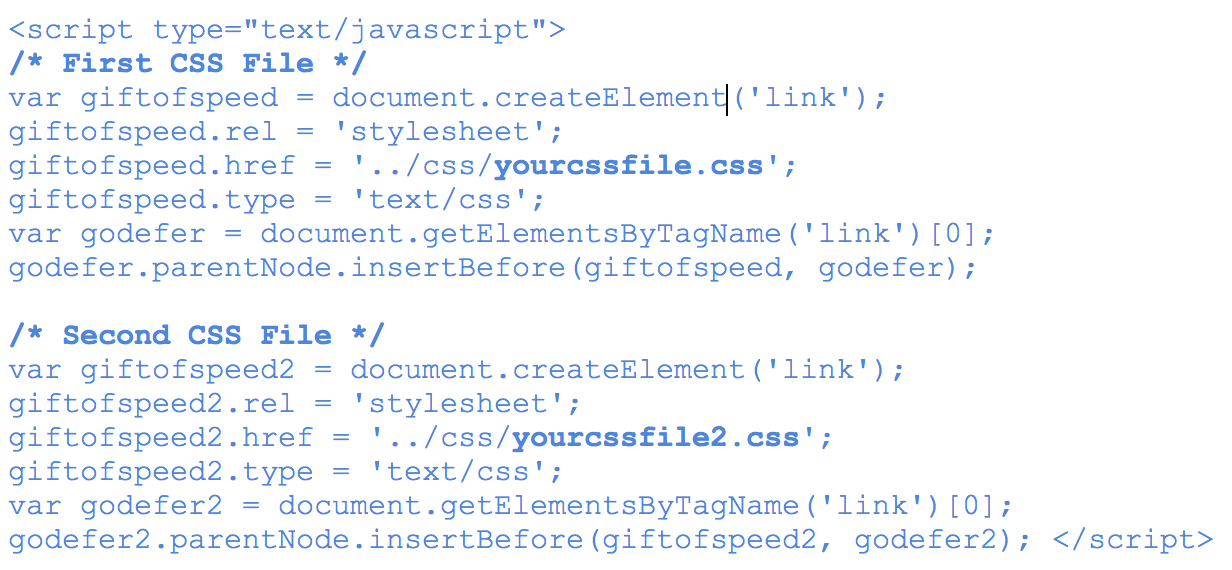
  • The one solution that’s worked for me so far is using JavaScript to defer CSS from loading. Courtesy of www.giftofspeed.com, insert the following code into your HTML footer (replace yourcssfile.css with your actual CSS file).

Place the following snippet within your HTML header. This ensures browsers that don’t support JavaScript can still load CSS files.

What Are You Waiting For? Get Started!

I’ll be saving the rest of the recommendations for a next blog, since they require a little more context and discussion. But these four recommendations are a good place to start optimizing for Google’s PageSpeed Score …assuming you have a good understanding of servers, HTML, CSS and JavaScript.

In the tests we’ve conducted, enabling compression alone increased our PageSpeed Score by 22 points for mobile and 24 for desktop – quite a big jump. Even with trying out these four recommendations, you could significantly increase your PageSpeed score right now.

As a last note, every website is different and there are little nuances that make your website unique, so its very important to test these recommendations first before implementing them right away. With that being said, try testing these recommendations and let us know how it worked out for you!

Thanks for reading! If you have any questions or comments, feel free to comment below! We’d love to hear your thoughts, feedback and/or grievances!

Resources

close up of power button
Digital Marketing, Web Design & Development

My Website Is Live! So Where Is It?

What you need to know about how Google indexes your website

After the Frogs push the Big Red Button and a client’s brand new website goes live, it’s only a matter of time before the client calls and asks why they can’t see their beautiful, new site. It’s not that the site isn’t there; it’s that the Internet, like all technology, works in mysterious ways. Or maybe it’s not so mysterious if you understand a couple of key technical concepts.

When dealing with any kind of technology, particularly the types that are related to the Internet, patience is definitely a virtue. For reasons we’ll get into shortly, it can take up to 48 hours before everyone online will be able to see your new website.

TTL and DNS and caches, oh my!

There’s a common perception that when a new site goes live, it creeps out over the Internet like pond scum over a lake until it’s completely covered the cyber-ether. Not that we want to compare your awesome, new site to pond scum, but that’s the general belief out there as to how the Internet works. It’s not reality, though.

Not to get too technical, but there’s a concept called Time To Live (TTL) (that’s “live” as in “live on stage” or “going live,” not “live” as in “I live in an expensive condo”). TTL can take up to 48 hours, although some Internet users will be able to see your new site much sooner. The reason has to do with domain names and server addresses.

Think of your domain name like a licence plate and your server like the licence plate number. Someone out there wants to find you on the Internet. They punch in your domain name, but their browser doesn’t know where it is. Your browser has to check with the Domain Name System (DNS), a vast database of all the domain names out there, to get your server’s coordinates. Servers are, of course, found on the Net by a string of numbers, also known as your IP (Internet Protocol) address. Then the DNS tells your browser what the domain name’s server numbers are, and voila, that someone has just been pointed to your website.

Because this takes a few seconds to do (ever notice when you first visit a website that it takes longer to load than subsequent visits?), computers store the information in a DNS cache so the browser doesn’t have to keep pinging the Internet Powers That Be each time you want to visit a website. The cache stores the information for whatever the tech guy has set it to, or more likely, the default of almost all DNS systems, which is – you guessed it – 48 hours.

With changes in servers, this means it’ll take up to 48 hours before someone can find your new website.

Flushing the cache

There is a little trick that will empty your DNS cache so you can instantly see your new website. A DNS cache flush requires some serious technical knowledge, but the Frogs can walk you through the process if you find your patience is wearing thin.

The Google problem

Another question related to websites going live the Frogs often get asked is, “Why is my site not listed on Google?”

If you think 48 hours is a long time to wait, consider that Google may not find your new website for six to eight weeks. Google attempts to query the whole internet every day, which is an impossible task. So it takes them a little bit of time to come around to your neighbourhood, knock on your door, and start spidering your website.

Spidering is a technique used by search engines to spread out across the Web to find every site out there. The main way it does this, though, is by finding links on pages it already knows. A brand new domain name isn’t likely to be linked anywhere, so it can take Google quite some time to find it. There are no links or pathways that lead to your website. Add to that that Google adds a “cooling off” period to make sure you aren’t a spammer or nere’do’well, and your website might take months to get indexed. In fact, new sites will take longer, where older sites will get picked up much faster.

While it’s usually best to let Google find your site through spidering, there are sometimes reasons that clients need their new sites to be found as soon as possible. New domain names can be submitted to Google manually, but even then, it takes about a week before Google gets around to checking it out. Keep this in mind when formulating any marketing plans that revolve around a new site.

Not sure if your site has been indexed yet by Google? Try This!

Go to www.google.com and type in “site:www.yourcompanydomain.com” in the search field. If your site appears in the search, then congratulations! …you’ve been indexed! If it does not, you have a little while longer to wait. Sorry! Try sending Matt Cutts a box of chocolates or something to see if he’ll come around to visit sooner.

Another Tip: Try having another website link to you. Oftentimes we find that this speeds up the process a bit as well, as it creates a pathway to your site from another site that Google has already indexed.

Patience is a virtue

It would be nice if as soon as the Frogs pushed the Big Red Button that everyone could suddenly find it and you’d have a million visitors instantaneously, but the reality of the Internet is that everything takes time.

For a variety of technical reasons mentioned above, your website will not be instantly found by visitors or Google. Have some patience and take some advice from Douglas Adams: Don’t panic.

Close up of a hand holding a computer tablet
Digital Marketing, Web Design & Development

Is Your Website Mobile-Friendly?

Mobile device usage is more prominent today than traditional desktop computing. If your site doesn’t provide an enticing mobile experience, you will lose business

Are you reading this article on a mobile device? If you are, then you already know what the No. 1 benefit is of visiting a website that is responsive: you can easily view, navigate, and interact with it regardless of the computing device you’re using.

That’s the gist of what’s known as responsive web design. Whenever someone surfs to your website on a mobile device, the site automatically optimizes its appearance to conform to the size of the screen accessing it. For sites that feature e-commerce capabilities, a responsive website is all the more important given m-commerce (mobile commerce) is gaining traction year-over-year. For instance, during the 2015 festive holiday season stateside, consumers’ mobile sales (58.9%) trumped desktop-based sales (41.1%). From a global perspective, consultancy Research and Markets forecast the mobile wallet market will grow at a compound annual growth rate of 34.58% by revenue through to 2020, and that one of its key drivers will be high m-commerce transaction volumes.

“The future is mobile computing – smartphones and tablets are just elements of it. The industry is on the verge of a whole new paradigm.”
– THORSTEN HEINS

Regrettably, Statistics Canada data shows a dismal 19% of Canadian companies have responsive websites. According to research conducted by technology and networking solution provider Cisco Systems, responsive web design has become increasingly important as the amount of global mobile traffic now accounts for more than half of total internet traffic. Moreover, the number of global mobile devices that connected to the ’net in 2015 grew to 7.9 billion, up from 7.3 billion in 2014. Of those estimated 563 million new mobile devices, smartphones accounted for most of the growth.

Think about that for a moment. In all likelihood, your customers and potential customers aren’t visiting your website using a laptop or a desktop computer, but a smartphone or a tablet.

Why You Need a Responsive Website

There are four primary benefits of having a responsive website:

  1. Increased visibility. When it comes to local searches, 50% of consumers who do so on a smartphone visit the business within 24 hours, and local mobile-based searches lead to more sales (18%) than non-local searches (7%).
  2. M-commerce is the future. Currently, mobile phones are the most widely used computing devices on Earth. As more people access the internet via a phone or tablet, more people are using them to purchase goods and services. Additionally, solution provider mporium (formerly MoPowered) estimates 30% of mobile shoppers will abandon a transaction if the shopping experience is not optimized for a mobile device.
  3. It will juice your SEO ranking. In the ongoing effort to up or maintain your site’s search engine optimization (SEO) ranking, a responsive site has to factor into the equation. Google favours responsive sites. In fact, responsive design is Google’s recommended design pattern.
  4. A lack of speed kills. Page load times and streamlined experiences on mobile devices are extremely important. According to a Google/Ipsos study, an estimated 29% of smartphone users will immediately switch to another site or app if they can’t find the information they want or if the site loads too slowly.

Interested in knowing what percentage of your website traffic is mobile? Call us for a complimentary review.

Geometric metal ceiling
Web Design & Development

What is Web Design?

Design is the process of collecting ideas, and aesthetically arranging and implementing them, guided by certain principles for a specific purpose. Web design is a similar process of creation, with the intention of presenting the content on electronic web pages, which the end-users can access through the internet with the help of a web browser.

Elements of Web Design

Web design uses many of the same key visual elements as all types of design such as:

Layout: This is the way the graphics, ads and text are arranged. In the web world, a key goal is to help the view find the information they seek at a glance. This includes maintaining the balance, consistency, and integrity of the design.

Colour: The choice of colours depends on the purpose and clientele; it could be simple black-and-white to multi-coloured design, conveying the personality of a person or the brand of an organization, using web-safe colours.

Graphics: Graphics can include logos, photos, clipart or icons, all of which enhance the web design. For user friendliness, these need to be placed appropriately, working with the colour and content of the web page, while not making it too congested or slow to load.

Fonts:  The use of various fonts can enhance a website design. Most web browsers can only read a select number of fonts, known as “web-safe fonts”, so your designer will generally work within this widely accepted group.

Content: Content and design can work together to enhance the message of the site through visuals and text. Written text should always be relevant and useful, so as not to confuse the reader and to give them what they want so they will remain on the site. Content should be optimized for search engines and be of a suitable length, incorporating relevant keywords.

Creating User-Friendly Web Design

Besides the basic elements of web design that make a site beautiful and visually compelling, a website must also always consider the end user. User-friendliness can be achieved by paying attention to the following factors.

Navigation: Site architecture, menus and other navigation tools in the web design must be created with consideration of how users browse and search. The goal is to help the user to move around the site with ease, efficiently finding the information they require.

Multimedia: Relevant video and audio stimuli in the design can help users to grasp the information, developing understanding in an easy and quick manner. This can encourage visitors to spend more time on the webpage.

Compatibility: Design the webpage, to perform equally well on different browsers and operating systems, to increase its viewing.

Technology: Advancements in technology give designers the freedom to add movement and innovation, allowing for web design that is always fresh, dynamic and professional.

Interactive: Increase active user participation and involvement, by adding comment boxes and opinion polls in the design. Convert users from visitors to clients with email forms and newsletter sign-ups.

Treefrog’s Toronto web design professionals create excellent User Interface (UI) Design for a satisfying web experience. They use critical planning and analysis for the design and they pay attention to individual client specifications, converting the intricate process into a simple and elegant piece of art.

Scroll to Top