
Author name: admin

digital marketing trends
Digital Marketing

Digital Marketing Trends to Watch Out for in 2022

2022 is quickly approaching, which means it’s time to start planning and drafting your digital marketing plans for the new year. You might think it’s too soon to start planning, but planning and looking ahead to the future can help you stay ahead of the trends. It can also help you to find new and innovative ways to grow your business. That’s why today, we’ve compiled a list of trends to watch out for in 2022, so you can start considering them for your marketing strategies. 

Marketing Automation

Marketing automation has been something that digital marketers have been using for a while, but it’s slowly making more headway as new software and apps come out. Marketing automation allows companies to automate repetitive marketing tasks, such as scheduling social media posts in advance or sending out emails. This frees up time so you can focus on high-level marketing tasks that require full attention and is something you should start using as soon as possible. 

Multichannel Marketing

This should go without saying, but having and maintaining a website should not be the only thing you’re doing for marketing. Websites are great for marketing your product, but now with social media, it’s not enough to just rely on your website. It would help your business if you used various platforms to market your services or products, such as blogs, ads, social media, and webinars or events. If you want to start growing your business and customer base, you need to be using a multichannel marketing approach, especially in 2022.

Influencer Marketing

With the rise of TikTok came a more significant surge for influencer marketing. Brands have started to realize the impact of influencers on social media, especially when it comes to pushing their products. Influencer marketing is a great way to promote your business and generate sales for your products. Though the most critical thing influencer marketing does is create brand trust and brand awareness. This is something that companies and businesses should highly consider adding to their 2022 marketing strategy.

The Use of Short-Videos

The rise of TikTok didn’t just open people’s eyes to the power of influencer marketing. It also helped them realize the power of short, impactful videos. Human’s attention span is draining, which means you need to find quick and effective ways to engage users and stop them from scrolling past your content. Using platforms like TikTok and Instagram will help you to easily create short videos for your social media pages. Video will only grow in 2022, so it’s essential to start using it now to understand what content works and what doesn’t so that you can use it in your 2022 marketing strategy.


Digital marketing trends are constantly changing and growing, so it can be hard to keep up. That’s why it’s essential to make sure you are constantly researching to stay on top of the latest trends. Whether you add all these trends to your 2022 marketing strategy or you only add one, it will make a difference in your business.

Contact the Digital Marketing Team at Treefrog!

Need help building your digital marketing strategy? Contact the team at Treefrog. Our Frogs are experts in many fields that can be beneficial to your online presence. For more information on how our team can help, give us a call at 905-836-4442.


epicor vs SAP
ERP-Web Integration

Epicor Integration vs SAP Integration: Which is the Better ERP Software for Your Business

Enterprise resource planning (ERP) software is critical for businesses to compete in today’s competitive business environment. With the industry becoming more competitive, it can be hard to decide which ERP software is the best for your business.

We’ll be putting Epicor Integration and SAP Integration up against each other to see which one is the better software for your business. Take a read-through of the pros and cons of both software to decide which one is right for your company.

Software Overview

Epicor Integration

Epicor is a premier enterprise system ideal for manufacturers, distributors, and professional service providers. Epicor is tailored for industry-specific functions and has a full range of services, including supply chain management, accounting, and invoices paid and received. Ideal for mid-market businesses, Epicor is your unified, integrated software solution.

SAP Integration

SAP ERP business software has four decades of experience. Its intelligent technologies and leadership in business processes make it the perfect choice for any business. SAP is not just for large companies. Many small and midsize companies also use this software.

Functionality

Though both of these platforms have various functionalities, Epicor beats SAP when it comes to certain functionalities. Epicor has shown more financial, HR, inventory, purchasing and quality management functionality than the industry average and SAP Business One platform. This makes Epicor the superior platform for functionality, though that doesn’t mean SAP won’t work for you. SAP only falls short for manufacturers and distributors.

Simplicity

Both systems will require training and effort on your part, but it is well worth it for the benefits your business will receive from integrating one of these platforms. Epicor is seen as the more straightforward platform to learn, as it doesn’t require the in-depth coding that SAP does, and you can often achieve your goals with minor customization. SAP is a great platform. Still, it does require customization and coding that make it less user-friendly.

Ownership Cost

Ownership cost depends on the amount of customization and coding you will need. Since SAP requires a lot of customization, it is not the cheapest program to use. This also makes it not ideal for small businesses. Epicor, on the other hand, is more cost-effective due to its functionality and easy-to-use platform. Making Epicor ideal for small to midsize companies looking to expand their business cost-effectively.

Conclusion

Both platforms are powerhouses in the ERP industry, and both have pros and cons, so before you choose one, make sure you do your research. Whatever platform you choose for your business, you will notice a massive difference in your business and growth.

Are you Ready?

Are you ready to take your business to the next level? Treefrog has helped a variety of companies integrate their online store with their ERP. Let our team of experts help your business. We are here, guiding you through every step of the way.

Give us a call at 647-370-4602; our team of experts is ready to help!

email marketing
Digital Marketing

Four Effective Email Marketing Techniques

In recent years, email marketing has gone down due to social media and paid ads. In reality, email marketing is still regarded as one of the most efficient ways to reach your customers today and increase sales. To make sure you’re using the proper techniques to generate click-throughs and increase sales, read on to find out about the four email marketing techniques you need to be using right now.

Subject Lines

Subject lines are everything. When an email shows up in your customer’s inbox, the first thing they read is the subject line, which will determine whether or not they open it. Many companies know the importance of headlines but forget that using generic headlines, like 75% off body care, tends to get your emails sent straight to the trash folder. Your customers love a good sale, but they also want value. The key to subject lines is to keep them short and vague.

An excellent example of this was President Obama’s email fundraising campaign when he used subject lines such as “Hey” and “Wow.” This approach contributed to Obama raising $690 million for his campaign. Keeping your subject lines short and vague will increase your open rate instead of getting sent straight to the trash.

email marketing

Exclusive Content 

Your customers subscribed to your mailing list for a reason. More than likely, they probably thought by signing up, they would get exclusive content that was just for them. So offer them something that is just for email subscribers. They will not only feel valued and appreciated as a customer, but they will likely stay subscribed and click through your emails more frequently. 

Retail stores do this well when sending out exclusive coupons and early sale access to their mailing lists. You can do something similar to this, but make sure it’s something you know your subscribers would be interested in.

Personalization 

A little personalization can go a long way into making a customer feel valued, whether using the customer’s name in the greeting of the email or focusing on your customer’s purchasing history or demographics.  

For example, Wayfair sends personalized emails based on suggested products or deals. This makes the email personable and makes me more inclined to open their emails to see what discounts might interest me. Keep in mind that too much personalization can also deter customers, so make sure not to overdo it.

mobile friendly

Mobile Friendly

Everyone has a cellphone, which means that the most common product used to check your email is through your phone, especially when consumers are out of the office. According to Hubspot 2017 Marketing Statistics, “two-thirds of emails are read on either smartphones or tablets.” So when the emails you send out are not mobile-friendly, that customer is likely to delete them or, even worse, unsubscribe. Before sending out an email to subscribers, ensure it is optimized for mobile and watch your click-through rate soar.

Conclusion

Social media is a great tool to reach your customers, but you can’t neglect email because it’s not going away anytime soon. There are various techniques to use when it comes to effective email marketing, so test different ones and find out what works for you. Good luck!

Digital Marketing Experts

At Treefrog Inc., our Frogs are experts in many fields that can help your business increase leads and sales. For more information on how our team can help, give us a call at 905-836-4442.
shopify vs. magento
Web Design & Development

Shopify vs. Magento: Which Platform is Right for Your Business

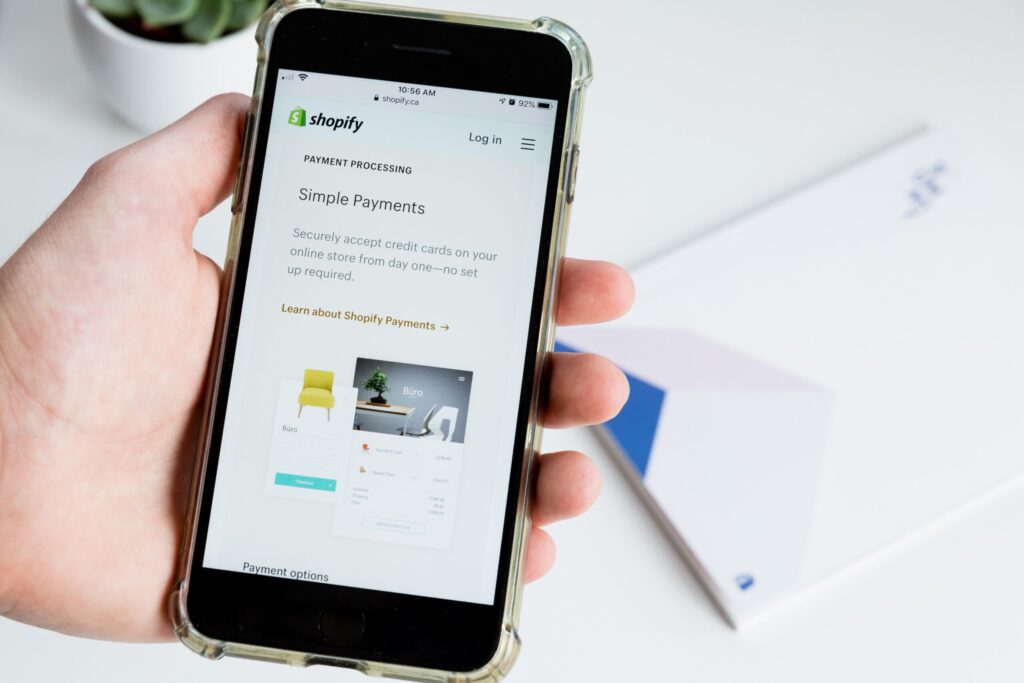
Today, it’s critical to have an online store to reach a wider audience and increase sales. Whether you’re a new company or rethinking your online platform, you need to consider the two best platforms out there, Shopify or Magento. Though Shopify and Magento are often in a battle against each other as the best, they’re both vastly different platforms, and each has its own pros and cons. 

When comparing these two platforms to determine which one to use, it can be challenging to decide which one is the best for your business. That’s why today we’re going to tell you the difference between Shopify and Magento, so you can quickly determine which platform is right for your business.

Costs

Firstly, let’s talk about the cost of each platform. Though this shouldn’t be your only deciding factor when it comes to which platform to use, it is something you need to take into consideration. 

Shopify is a SAAS software (software-as-a-service), which means users pay monthly fees to host their online store. There are three membership tiers, basic which is $29 a month, Shopify at $79 a month, and advanced Shopify at $179 a month. The downfall of Shopify is that the more you play, the more options you get, like abandoned cart recovery and gift cards. 

Magento is a little different, as it costs nothing to use their software. They offer an enterprise solution, which does have a cost to use, though the cost solely depends on your needs.

User Experience 

User experience is critical to customer retention and driving sales on your online store, which is why it’s essential to pick a platform that has the best user experience. So which platform has the best user experience? 

Shopify is the easier of the two platforms and is the better option for companies that don’t have developers. However, Magento offers many extensions that don’t require any coding, making it just as easy to use as Shopify.

SEO

Search engine optimization (SEO) is critical for your website and online store. It’s how you end up on the front page of Google. If you want your business to increase sales and organic traffic, you need SEO. Both Shopify and Magento rank high for their SEO capabilities. 

Though when it comes to SEO, Magento is in the first place. Magento SEO capabilities include headings, meta descriptions, and page URLs and titles. Unfortunately, Magento is not fully optimized for SEO. If you want to fully optimize your online store, you’ll need to hire an agency to help you.

user experience

Themes 

Designing a beautifully branded website is critical to creating brand awareness and recognition. So it’s essential to find a platform that offers themes that can be easily edited and branded to your liking. 

Both Shopify and Magento offer themes, with Shopify offering 69 different themes to choose from. In contrast, Magento offers thousands of themes to choose from. Both have responsive themes, ensuring whether a user is on their phone or desktop, your site will perform flawlessly. 

The downfall of Shopify themes is that they don’t allow for many changes to be made to them, whereas Magento allows for more design options. Magento even has a drop and drag option to make design pages quicker and easier.

Conclusion

There are several differences between Shopify and Magento, so whatever you choose, make sure you choose wisely. You want to ensure you select the right platform for your business.

Take Your Business Online

At Treefrog Inc., our Frogs are experts in many fields that can benefit your online marketplace. For more information on how our team can help, give us a call at 905-836-4442.
branding
Branding & Design

Brand Identity: More Than Skin-Deep

Brand Identity Design

It’s tempting to think that (successful) brands are only skin-deep. After all, aren’t colours and logos important? Visual branding is essential, but the ultimate goal is to establish a strong brand identity, combining both Branding Elements (logos, colours, shapes, imagery) and a Brand Persona (values, ethos, personality and traits).

While most brands have a handle on basic branding, few brands can claim they have an ‘identity without a Brand Persona. A Brand Persona is what ‘humanizes’ a brand, making it primed to interact with us on a deeper, intellectual and emotional level. Just like it sounds, a Brand Persona is not dissimilar to a person, having a unique ideology, character traits, values, ethos and culture. These aspects make it possible to develop a more profound emotional experience and build a relationship – potentially lasting a lifetime.

As humans, our lives and our relationships are incredibly diverse and complex. At a basic level, though, Maslov described that all humans have the exact fundamental physical and emotional needs to fill. These needs are “physiological,” “safety,” “belonging,” “esteem,” and “self-actualization.” They directly influence our behaviours, manifesting as desires, impulses and decisions. We never make a decision that is not linked in some way back to one of these core needs. We might not always be aware of this, but brands knowingly work hard to leverage this fact and use our emotions – as a gateway to selling us things. Targeting certain desired emotions has long been the specialty of good branding. It was initially used to reduce our anxiety about making buying decisions (thus leading to more significant profit for those companies who branded their products). Branding today still offers to show us what feelings or experiences we can expect: to feel happy, imaginative, loved, sexy, in control, witty, healthy, secure, prepared, strong, etc.

Brand Personas emerged to take things a step further by looking to our rational brain and psychology. They are designed to reach our deepest intellectual thoughts, principles, judgements and beliefs. To illustrate this, consider for a moment that on an interpersonal level, we will rarely develop a connection with people that we find nothing in common with; yet as soon as we discover common ground on something, we feel closer to them and take a greater interest in them.

This concept underpins the development of a Brand “Tribe”; defined as a group of people who align themselves with a Brand Identity as a true reflection
of themselves. Psychologically speaking, Brand Identities are fully developed in mind, just like people. These brands exhibit a detailed ideology and philosophy – they share a world perspective, outlining their values, speaking in a unique voice and showing off their personality. This level of complexity naturally mirrors the complexities we hold within ourselves, both attracting us and deepening our connection.

This is both how and why strong Brand Identities shape our lives, our experiences and eventually come to receive mass-market traction across the world. Far from being a negative situation, the inherent potential for brand identities to positively influence people’s lives and bring commonalities (bridging divides) gives designers around the world their hope and challenge for the future.

Branding Experts

Are you ready to strengthen your brand and build your business? At Treefrog, we can help you develop your brand strategy. Whether it’s logo design, logo maturation, corporate identity or graphic design services, we’re your business branding experts.

Give us a call at 905-836-4442; our team of branding experts are ready to help!

Branding & Design

A Brand Is Just a Logo, Right? Think Again

So you think you know Branding?

Today, it’s common to think of a “brand” as another word for a logo; after all, many people believe that branding is a term coined from branded livestock on cattle farms. However, the real history of branding goes back much further. The recorded practice of branding began as early as the Babylonian era when leaving a mark on an object was meant to signify ownership or a legacy of that property. It was a way of safeguarding its use against others. The actual term ‘brand’ used today was developed with a new desired purpose. Our intention now is to put a ‘reputation’ onto something for it to be sought-out and ideally stand out from its competitors.

Suppose modern branding aims to suggest a reputation. In that case, the psychology of modern branding is to help quell the anxiety of the consumer. Let’s consider how many choices we face in our daily lives. We can appreciate how this bombardment might affect how easy it is to make decisions.

Despite our vast technological advances and our ever-increasing knowledge, our brains’ decisions are still based upon a reptilian system rooted in a fight or flight mode. What we rationalize in front of us is not the same as what we perceive in this part of our brain, which is why not having a straightforward or easy choice can often make us feel uneasy and exhausted.

Understanding and working around this dilemma is what branding does best. Using visuals to tell an audience what to expect and what desired experience they will have even before their choice is made.

At the end of it all, the uncomfortable truth about branding is that it’s never in the hands of the makers. Those who decide what kind of brand is formed are actually the consumers; it is in their minds where a brand reputation is actually created and propagated.

Since the consumer gets to decide whether the brand reputation has true merit or not, branding must balance what is true and idealized. The promise vis-a-vie the packaging or other touch-points and interactions must all be delivered upon. This is how the brand earns its ‘reputation,’ albeit a positive or negative one. It is vitally important that every business understands that their brand is constantly being branded, either for better or worse. Although it is put out by companies, it is ultimately cemented by the experience of the customer.

Where art thou, logo?

Where does a logo fit in the experience of branding, and how important is it really? If we can think of branding like a person (we are all our own personal brand already). In that case, a logo is its face, a means of recognizing and remembering a unique identity and experience among the crowd. At its core, a logo’s purpose is to take a complex emotional experience across many different interactions and to distill it into something simple and easy to remember, like a single name and/or shape.

Business Branding Experts

Are you ready to strengthen your brand and build your business? At Treefrog, we take a top-down approach to helping you develop your brand strategy. Whether it’s logo design, logo maturation, corporate identity or graphic design services, we’re your business branding experts.

Give us a call at 905-836-4442; our team of graphic design and branding experts are ready to help!

ERP-Web Integration

How to Enhance Online Sales with Product Configurators

Nowadays, consumers are looking for more and more customization in their online shopping experiences. Businesses not only need to offer great shipping and return policies, but customer service and customization are key. That’s why adding product configurators to your website is critical to helping you grow your online sales.

Product configurators provide customers with the ability to customize their products at the touch of their fingertips. You are helping them to purchase a product exactly how they want it. What exactly are the benefits of having a product configurator on your website, and how does it help you increase your revenue. We’ll be answering those questions and more in this article.

What are Product Configurators

A product configurator is an interactive software that allows the customer to choose certain product features defined by the business. The product configurator then validates it and enables the customer to move onto the next step.

A product configurator takes a collection of parameters, characteristics, and rules determined by the business. Though it seems simple, it’s a complex software full of regulations that the product configurator will use to validate whether this selection is allowed before allowing the customer to put their choice into the cart. This form of customization allows the user to purchase the item exactly how they want it, but it also helps your business in many different ways.

Benefits of Product Configurators

Reduce Lead Times

When you allow customers to build a product themselves, it will be unique and designed exactly how they want. This will help move the customer through the buyer’s journey faster and allow your sales reps to sell quicker. It will help your sales representatives have all the information they need to send out quotes faster and send orders to the manufacturing team.

Increased Customer Satisfaction

Providing customers with a product designed precisely to their liking automatically helps to increase customer satisfaction. Due to the simplicity and the ability to have a custom product, it increases customer retention and satisfaction. Customers are more likely to return to a business that they had a good experience with versus one they didn’t.

Ensures Correct Orders

How many times have you purchased something, and it’s been incorrect or missing key components? Probably too many times to count. When you have a product configurator, it helps ensure that orders are fulfilled correctly and on time because the invoice is directly sent to the manufacturing team. This will also help to increase customer satisfaction instantly.

Are you Ready?

Are you ready to take your business to the next level? Treefrog has a roadmap and team to get you there. Through our process, we will learn about your goals to help build a time-based, realistic, results-oriented system complete with training and deployment for your team. We are here, guiding you through every step of the way. Our process works with you – to make you and your business better, smarter, and faster.

Give us a call at 905-836-4442; our team of experts is ready to help!

ERP-Web Integration

Amplify Your Online Store with Your ERP

When it comes to online stores, you can have many administrative tasks that can leave you distracted, which can subtract from the customer experience and have less time to focus on the store itself. That’s where an ERP (Enterprise Resource Planning) integration can come in handy. Having your ERP integrated with your online store can take those tasks and remove the need for non-value-added tasks such as entering orders, invoicing, sending to fulfillment and much larger time-consuming tasks, such as vendor orders and overall doing the work for you. Thus, allowing your staff and yourself to refocus on protecting and growing revenue.

Liberating your staff from non-valuable work will allow them to serve your existing customers better and acquire new customers. Aligning your business data is extremely important, especially when creating a positive experience for your customers. This is key for customer retention and acquisition. So how exactly does connecting your ERP benefit your online store, and what does it mean for your business? We’ll answer all of these questions and more in this article.[vc_single_image image=”3984″ img_size=”full” alignment=”center”]

ERP Management Made Easy

Running a business is complex; with all the various moving parts and a constantly changing environment, it can be hard to keep track of it all. This evolving complexity is amplified by the need to digitize your business. That’s where your ERP integration comes in. When your ERP is adequately integrated with your online store, it can help simplify the management of your business, increase visibility into your customers’ buying habits, and create a tailored experience for the customer.

With a well-integrated system, you can say goodbye to delayed or incorrect billing, manual data entry errors, and administrative headaches. It can help with correct billing, shipping and inventory and helps to ensure management processes are maintained in all components of your business. Your integrated platform will allow you and your team to focus on the value-added tasks that will protect and grow the business. Thus making it easy to manage your business and allow you to focus on growing it.

Improved Online Revenue Tracking

When you integrate your ERP with your online store, it can help you have more detailed, up-to-date, and accurate revenue tracking. No longer will you need to sit and pour over months of revenue data. Instead, your ERP will continuously update in near-real-time to help provide insight into your monthly, quarterly and annual revenues. Thus, helping your business become more agile, efficient, and ready for today’s business environment challenges.

Shipping and Availability

Have you ever ordered something you desperately needed, checked out, only to receive an email later that day that it is on backorder and won’t be delivered for 3-6 months? Maybe you have, or perhaps you’re purchasing from vendors that have integrated their inventory with their ERP systems.

When it comes to shipping and availability, your ERP integration is key to providing the best possible experience for your customers and is with you through all the stages. For instance, when customers are shopping, and inventory is selling quickly, the ERP will let the customer know when supply is low or empty. When it comes time for the customer to purchase, it will determine the warehouse to ship the product and provide the customer with an accurate delivery time. When your ERP is correctly integrated with your online store, the benefits are endless. Still, one of the most significant benefits for your customers (and your business) is accurate shipping and availability estimates. Providing this to customers increases their positive experience, increasing their chances of purchasing from your online store again.

Overall, when businesses integrate their ERP with their online store, they create a tailored experience for each customer. This also allows for better visibility and the added benefits of automated data entry— allowing employees to proactively serve customers, enhancing their expertise, further limiting the need for employee input.

Learn More Today!

Are you ready to take your business to the next level? Treefrog has a roadmap and team to get you there. Through our process, we will learn about your goals to help build a system that works for your business. Our process works with you – to make you and your business better, smarter, and faster.

Give us a call at 905-836-4442; our team of experts is ready to help!

ERP
ERP-Web Integration

Enhance Customer Experience with an ERP Integration

Customers expect the same experience, whether they’re shopping at home or in person. Customers expect consistent, relevant and personalized engagements. Unfortunately, if businesses are not equipped, they’ll be missing out on sales opportunities to their competitors. Providing an outstanding online experience is the only way companies can compete with big e-commerce giants such as Amazon.

That’s why enhancing your customer experience through your ERP is critical. For businesses to be competitive and provide a similar experience as Amazon, they need to provide an easy and seamless customer experience. Having an ERP can directly help you enhance your customer’s experience and allow you to increase revenue. Here are a few ways that having an ERP can help with customer retention.

ERP

“It allows for more accuracy, and it saves on administrative time, so allows companies to reach a greater customer base.”

Centralized Data in One Place

An ERP system is there to help support operations and reduce manual work. It pulls together critical data around financials, customers, orders, inventory and more. An ERP must have accurate, detailed information on every aspect of your business. For example, should inventory levels be accessible to customers, along with stocking dates for out-of-stock products, photos, and consistently accurate specifications? The ERP system also logs all transactions, so customers can look through their order history to re-order those products without potentially ordering the wrong items.

ERP technology allows organizations to collect massive amounts of data that they can use to improve the customer experience, thus allowing for a seamless customer experience. Thus empowering your customers to plan, make decisions and take action on their schedule, relieving some of the pressure on your sales and service teams.

Integrating ERP Software with a CRM

Linking your ERP with a CRM (Customer Relationship Management Tool) can enhance your insight into the customer experience and buying patterns. It can track the progress through the buyer’s journey and display contact information, order history, and tickets. CRM tools play a huge role when it comes to enhancing customer experiences. When linked with an ERP,  it can help you gain visibility into what products your customers are browsing, what items they’re purchasing together and what products they’re searching for that you don’t yet have. 

Better Together: Alone, a CRM cannot give you this much data but, when integrated with your ERP, the data becomes unstoppable. Knowing a client’s past behaviour or preferences will help to guide them through the buyer’s journey. This leads to increased sales, catered product suggestions, and enhanced customer experience, building longevity and loyalty in your customer base.

Maximize Customer Engagement

If asked about what they would like to be notified of in real-time, what customers say? In-stock notifications? Shipping notifications? Price changes? Quote responses? New products? Personalized messages can significantly impact the experience of your customers. ERP systems provide detailed data that can empower businesses to design customer acquisition and retention experiences online.

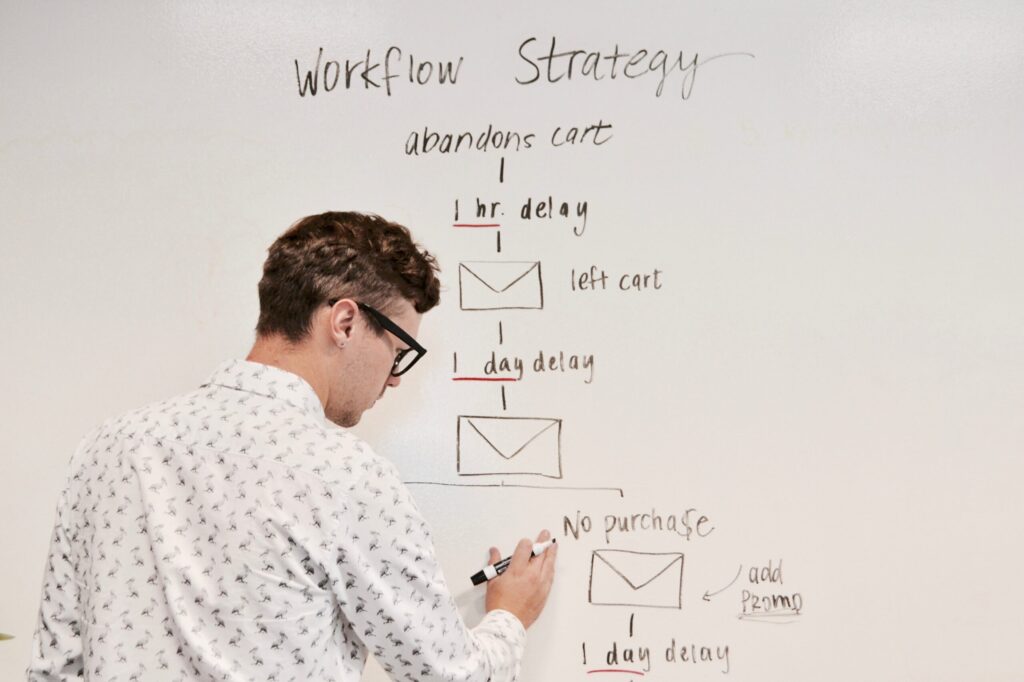
It allows companies to offer personalized marketing materials, such as product suggestions, customer-specific promo codes and cart abandonment emails. Organizations can notify customers of almost any change in data they choose, as long as it exists in either the ERP data. Overall, this will increase customer conversion and retention by always putting the business at the forefront of the customer’s mind. Thus, helping to create brand awareness and move the customer through the buyer’s journey.

Are you Ready?

Are you ready to take your business to the next level? Treefrog has a roadmap and team to get you there. Through our process, we will learn about your goals to help build a time-based, realistic, results-oriented system complete with training and deployment for your team. We are here, guiding you through every step of the way. Our process works with you – to make you and your business better, smarter, and faster.

Give us a call at 905-836-4442; our team of experts is ready to help!

Branding & Design

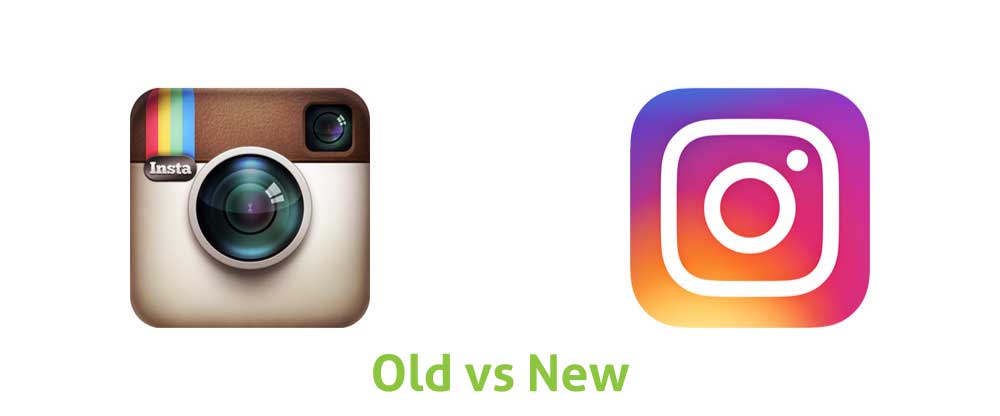
Four Signs Your Company Needs a Rebrand

All companies go through periods of growth, and in these growth stages, not every brand can endure the growing pains that may or may not require changes to your brand. Many companies believe that a brand is just your name and logo when in reality, it’s so much more than that, it’s your entire brand identity.

This is why many companies put off rebranding their business. However, by rebranding sooner rather than later, you can save yourself a lot of trouble in the long run. If you’re unsure whether or not you should rebrand, we’ve compiled a list of sure signs it’s time to rebrand. Keep in mind that just by searching for this blog, you already might know the answer you’re looking for.

1. It’s Been More Than Five Years Since You Branded

When was the last time you branded or rebranded your company? If you can’t remember, it’s probably time to start considering a rebrand. A lot can change in a year, which means your brand is becoming more outdated and irrelevant with each passing year. Remember, branding is not all about mood boards and logos, it’s also about your buyer personas. So rebranding is critical to keep updated with your brand’s aspects, not just your design elements.

2. Your Company is Switching Gears

If your company is beginning to expand into other markets or switching gears entirely, it’s time to consider a rebrand. The rebranding will help your new target market resonate and relate to your brand. Consider this; you’re a jewelry business. Suddenly you decided to expand into clothing. Your current brand might not reflect this new aspect of your business. If that’s the case, it’s likely time that you begin the process of rebranding.

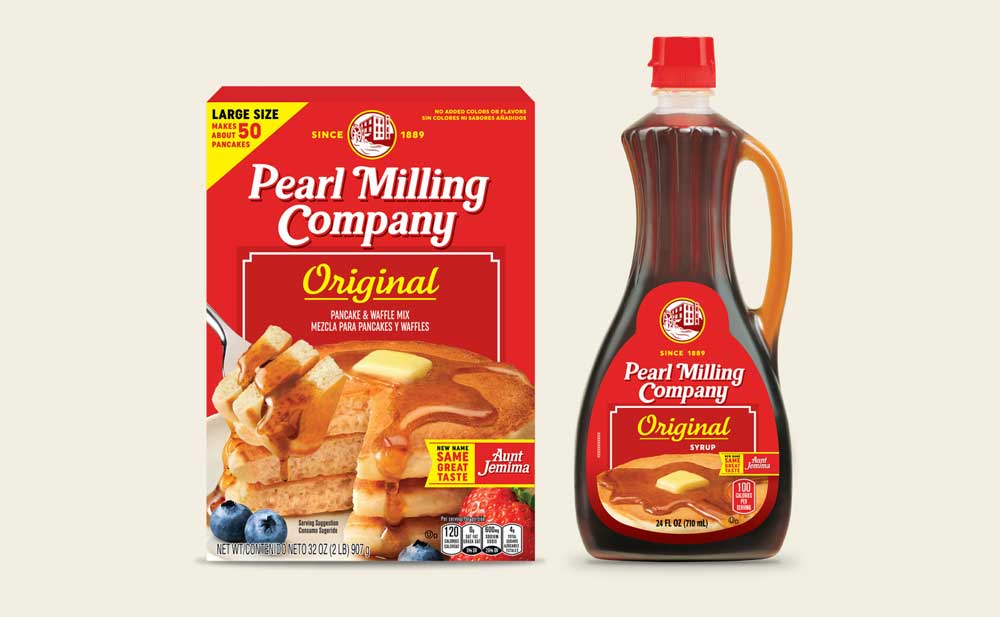
3. Poor Reputation

All companies can go through a period of negative reputation, and some companies come out of it more robust. In contrast, others can feel the effects for years to come. If you’re still feeling the results of a poor reputation that you can’t shake, it’s time for a rebrand. Rebranding your company can help consumers see you in a positive light, especially if it’s done correctly.

Image source: https://fortune.com/2021/02/11/aunt-jemima-new-name-pearl-milling-company/

4. Competitors are Starting to Look the Same

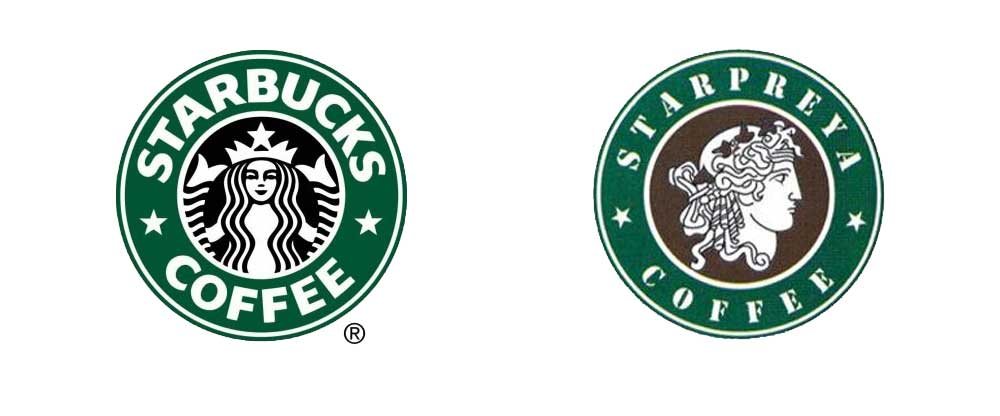
The Red Ocean is a huge problem with companies today. Suppose your company has a generic logo, name and brand colours. In that case, you’re not standing out, you’re blending in, and its negativity is affecting your brand. The quickest way to stand out and start rebuilding is an overhaul and rebrand of your business. This will help you showcase why your company is different and better from your competitors.

Business Branding Experts

Are you ready to strengthen your brand and build your business? At Treefrog, we take a top-down approach to helping you develop your brand strategy. Whether it’s logo design, logo maturation, corporate identity or graphic design services, we’re your business branding experts.

Give us a call at 905-836-4442; our team of graphic design and branding experts are ready to help!

Scroll to Top