In recent years, email marketing has gone down due to social media and paid ads. In reality, email marketing is still regarded as one of the most efficient ways to reach your customers today and increase sales. To make sure you’re using the proper techniques to generate click-throughs and increase sales, read on to find out about the four email marketing techniques you need to be using right now.
Subject Lines
Subject lines are everything. When an email shows up in your customer’s inbox, the first thing they read is the subject line, which will determine whether or not they open it. Many companies know the importance of headlines but forget that using generic headlines, like 75% off body care, tends to get your emails sent straight to the trash folder. Your customers love a good sale, but they also want value. The key to subject lines is to keep them short and vague.
An excellent example of this was President Obama’s email fundraising campaign when he used subject lines such as “Hey” and “Wow.” This approach contributed to Obama raising $690 million for his campaign. Keeping your subject lines short and vague will increase your open rate instead of getting sent straight to the trash.
Exclusive Content
Your customers subscribed to your mailing list for a reason. More than likely, they probably thought by signing up, they would get exclusive content that was just for them. So offer them something that is just for email subscribers. They will not only feel valued and appreciated as a customer, but they will likely stay subscribed and click through your emails more frequently.
Retail stores do this well when sending out exclusive coupons and early sale access to their mailing lists. You can do something similar to this, but make sure it’s something you know your subscribers would be interested in.
Personalization
A little personalization can go a long way into making a customer feel valued, whether using the customer’s name in the greeting of the email or focusing on your customer’s purchasing history or demographics.
For example, Wayfair sends personalized emails based on suggested products or deals. This makes the email personable and makes me more inclined to open their emails to see what discounts might interest me. Keep in mind that too much personalization can also deter customers, so make sure not to overdo it.
Mobile Friendly
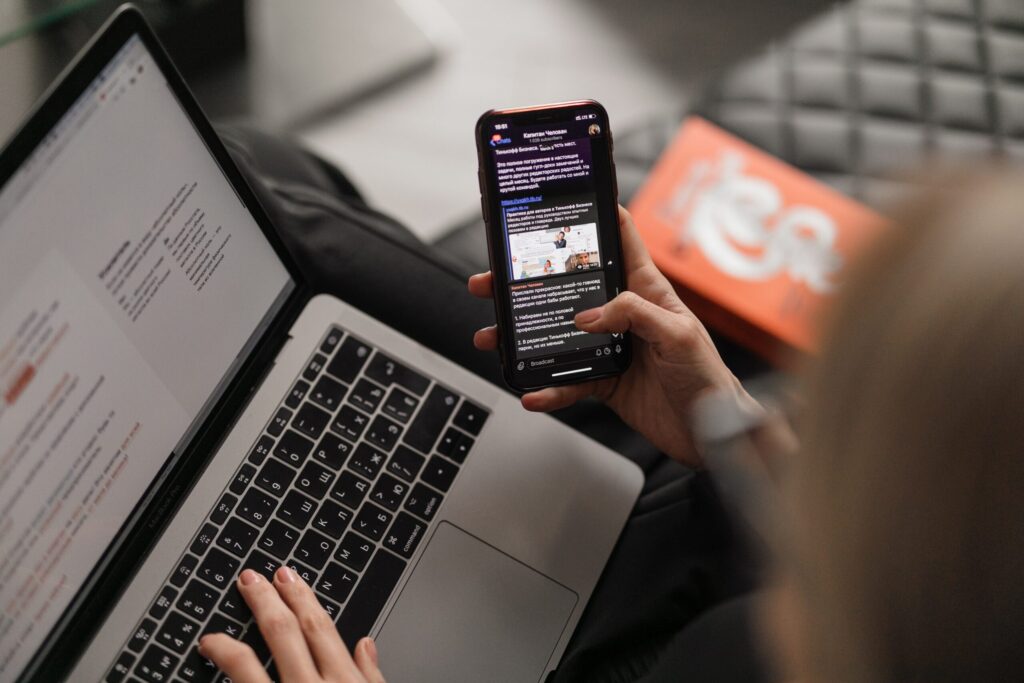
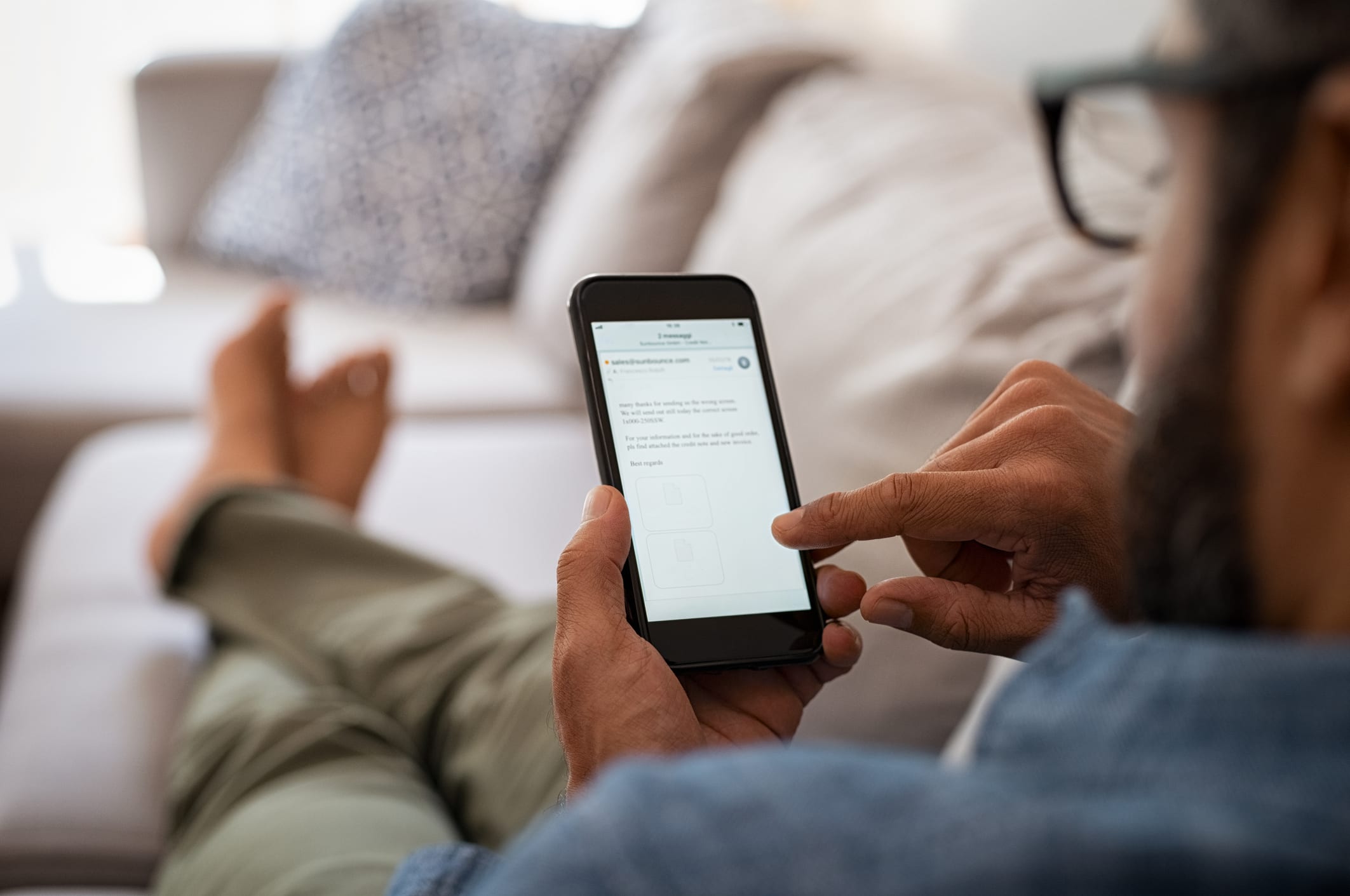
Everyone has a cellphone, which means that the most common product used to check your email is through your phone, especially when consumers are out of the office. According to Hubspot 2017 Marketing Statistics, “two-thirds of emails are read on either smartphones or tablets.” So when the emails you send out are not mobile-friendly, that customer is likely to delete them or, even worse, unsubscribe. Before sending out an email to subscribers, ensure it is optimized for mobile and watch your click-through rate soar.
Conclusion
Social media is a great tool to reach your customers, but you can’t neglect email because it’s not going away anytime soon. There are various techniques to use when it comes to effective email marketing, so test different ones and find out what works for you. Good luck!
Digital Marketing Experts
At Treefrog Inc., our Frogs are experts in many fields that can help your business increase leads and sales. For more information on how our team can help, give us a call at 905-836-4442.
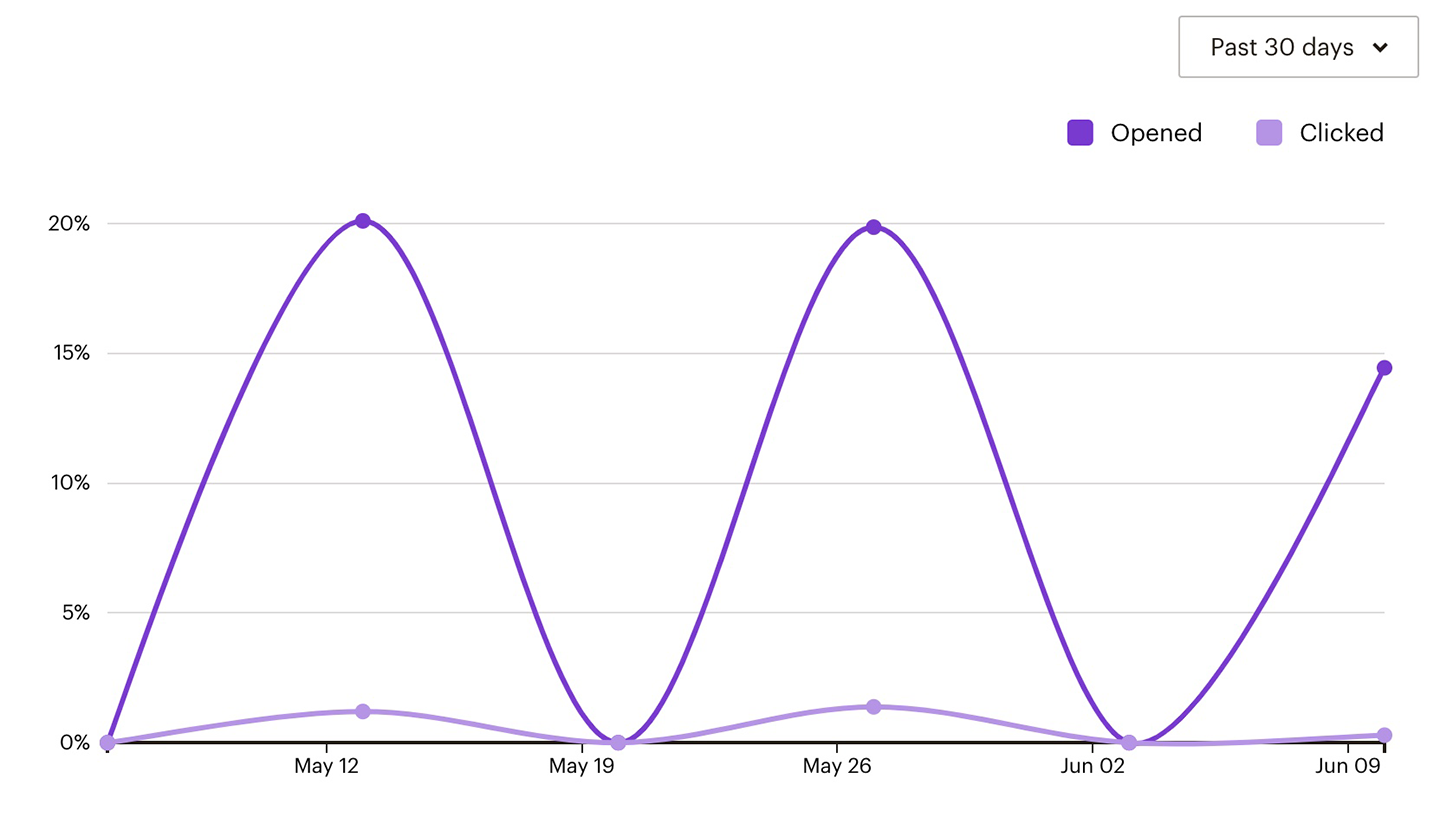
Open rates are arguably the most important stat you need to be tracking when it comes to marketing emails. Sure, your CTR (click-through-rate) is important, but if people aren’t opening your emails at all, they don’t even have the chance to click through!
These days it seems as though everyone is using emails as part of their marketing strategy; thus, audiences are receiving more emails each day than they ever have. In fact, globally there are approximately 269 billion emails sent each day! To help with the mass amount of email people are receiving Gmail has even started auto-segmenting emails into different inboxes: Primary, Social, Promotions, and Spam. This can make it even harder to get in front of the eyes of your target audience.
Fortunately, there are a few things you can do to make your e-marketing stand out!
Here are 10 ways to improve your email marketing open rate:
1. Send Time
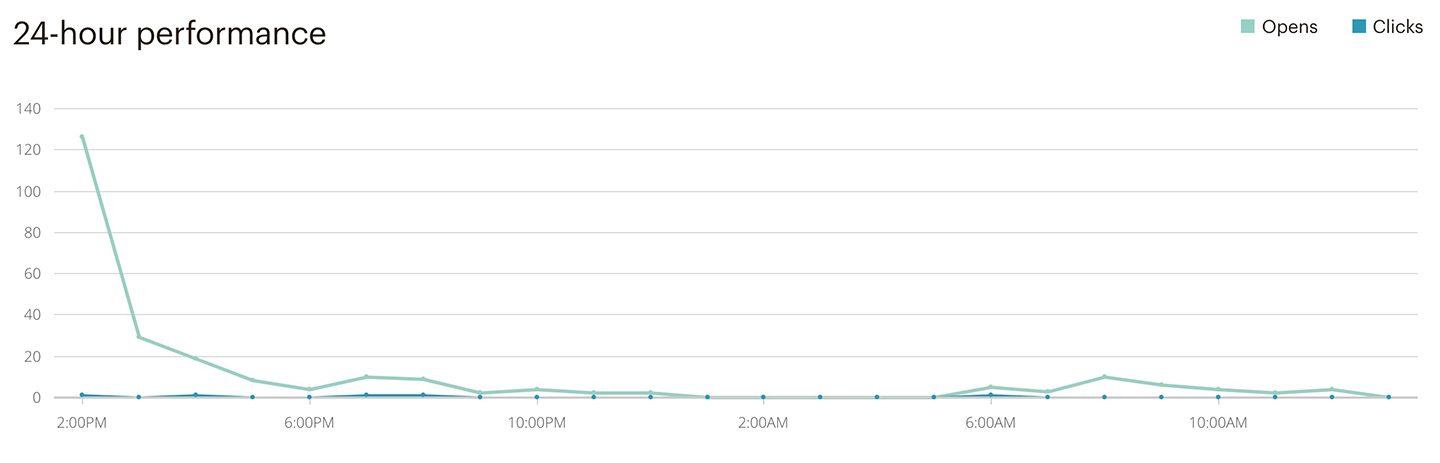
Wouldn’t it be great if you could email subscribers at the exact moment, they were looking at their devices? Investigating the open times of your emails can give you incredible insight not only on the days your emails are seeing the most traffic, but also the time of day your audience is choosing to open them.
Every email list will have a unique send day and time and it’s important to use the data you have at your fingertips to help you discover your optimal send time. If you’re not sure where to start, most people check their emails in the morning when they wake up, at lunch, or in the evening before bed.
2. Engaging Subject Lines
Subject lines are the most prominent piece of information your subscriber has to make their decision on whether to open your email or not. This makes it highly important to use the space provided efficiently and effectively. Putting a special offer, an intriguing question, or creating urgency early in the subject line are all proven ways to increase your email open rates.
According to MailChimp’s email subject lines best practices there are a number of faux pas you should avoid when writing your subject lines. As tempting as these words may be to encourage a sense of urgency, words like “Help”, “Percent Off”, and “Reminder” have been found to be the most common to be caught by spam filters; avoid using them to ensure your email has a chance to get into your audiences inbox.
3. Personalization
With the amount of mass email we receive daily, when we get something that is more personalized it usually sets itself apart, like receiving a letter. Adding tags into your subject lines to include your subscribers name, city or country location can give the added pop to your emails to really catch your readers eye and encourage them to open your e-newsletter.
4. Preheader
The preheader text is the summary text that follows the subject line in the preview in the inbox. This helps the reader have more context about the email before they decide whether to open it or not. The preheader is the perfect place to put a promotional offer or to extend your subject line.
Another way to utilize the preheader is to help your email appeal to a wider audience. If your subject line only applies to a certain group of people, the preheader is the perfect time to pull in those readers that might not normally open an email about the content mentioned in the subject line.
5. Mobile First
Did you know that over half of emails are read on mobile devices now? If you are not optimizing your emails for mobile, you are hurting its chances of being opened before you even send it. To be truly mobile optimized not only does your email content need to be designed to fit and be readable on a smaller screen but your subject line and preheader need to as well.
In a mobile email service provider, you may only have 50 characters to sell your e-newsletters content with your subject line and preheader! This means placing your CTA (Call-to-Action), or keywords at the beginning of the subject line to ensure they aren’t missed.
6. Segmentation
List segmentation is arguably the best way to improve your email marketing open rate, while simultaneously reducing your unsubscribe rate.
If you send a lot of emails on various different topics you may want to consider splitting your email list into different segments depending on demographics and interests when trying to find your optimal send time and day.
7. A/B Test
A/B testing is a great way to see which parts of your email are working and which parts need to be optimized. Understanding how your audience interacts with your email, which trigger words they respond to the most, and which CTA’s get your readers to open your emails are just a few ways A/B testing can help improve your e-newsletter open rates.
Do you get more opens from questions or lists in your subject lines? Here are some other things you can A/B test to improve your open rates are:
Your call to action
Your preheader
Personalization: name vs. location vs. none
The sender name
8. Personalize the Sender Line
Most of the emails people receive are mass marketing emails that have very little personalization and are strictly from companies trying to sell something. Readers are becoming much better at screening these emails based on the sender alone.
If you want to connect with your readers on a more personal level and have them trust that you are only sending them high-quality content, avoid using no-reply emails or generic info@. Instead use your actual name, or a pseudonym if you don’t feel comfortable handing out your actual name on the email.
9. Clean Your Email List
One really easy way to improve your open rate is to stop sending your email marketing to subscribers who don’t open your emails!
It sounds so simple, yet many marketers are more concerned with losing the potential open from someone who hasn’t opened their email in months. The size of a subscriber list is often something email marketers hold near and dear to their heart. Many have a hard time scrubbing the list of unengaged subscribers. You have worked hard at getting those people to even subscribe to your list in the first place, why should you delete them from your database altogether!? After all, they may not be opening your email-marketing right now, but they did at one point and they might again soon, right!? RIGHT!? (wrong!)
10. Stick to a Schedule
As mentioned in tip #1, finding the right send time and day is important to improving your open rate. Once you find that right day and time, stick to a consistent schedule. This helps build recognition with your readers, they are expecting your email at this point and hopefully, they’re looking forward to it! Don’t let them down or confuse them by sending at random intervals.
Now that you have the information to improve your email marketing, where do you start?
If you already have an email marketing software account such as MailChimp or Constant Contact but are unsure how to pull the data for the right day and time, A/B test, or segment your markets, we can help!
If you don’t have any email marketing software, do not be sending mass emails from your personal email, this will not only cause your personal email to be blacklisted but also is against CASL compliancy. Let us start you on the path to email marketing with a branded email template, list curating strategy and content optimization. Call today 905-836-4442 or email.
Email marketing is one of the most effective tools when it comes to keeping in direct contact with your customers, business partners, and suppliers. Moreover, professionally crafted and informative emails can generate new and repeat business from happy readers.
Your business can use email broadcasts to share company-related news, provide loyal customers with special offers, inform your audience of new educational or thought-provoking content, and ultimately, drive traffic to your website and increase revenue.
However, there are four major email marketing faux pas that many businesses are unknowingly committing each time they send out their broadcast:
Sending Without Strategy
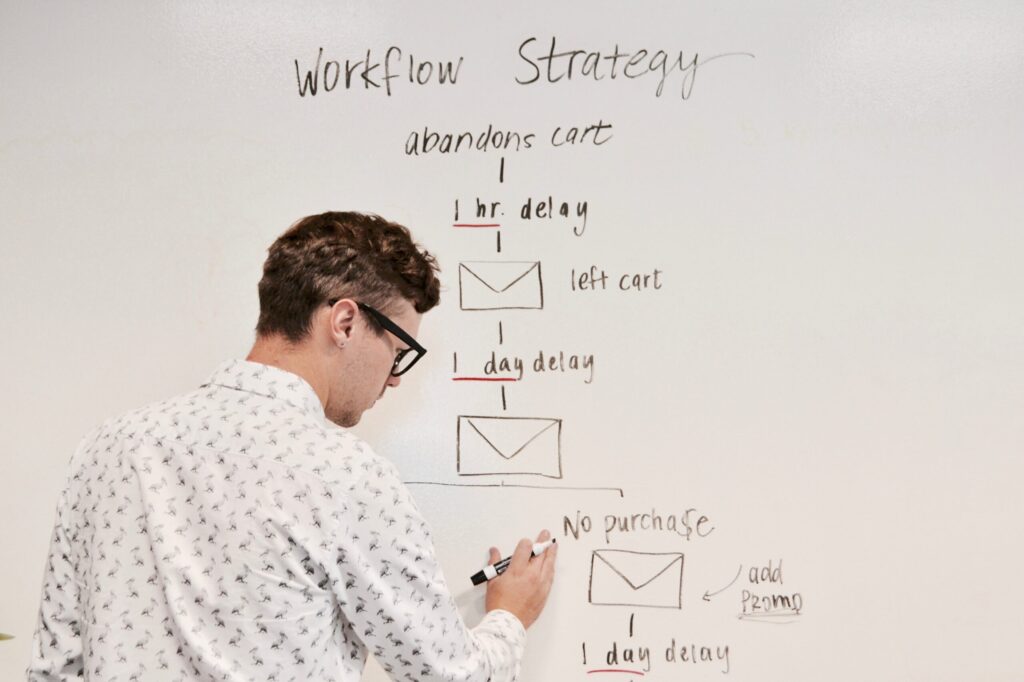
When it comes to email marketing, creating a pre-launch strategy is essential. In addition to design, knowing your demographic, and creating a targeted email list, it’s also important to investigate all of the factors that make a strategy succeed:
Know the best time to send your email. By understanding your ideal client, you’ll begin to identify the times in which they’re more likely to see, open, and have a moment in their day to read your email. Based on user behaviour, some data collecting systems will even make send-time suggestions for you.
Know the goal and intent of your email. What are you trying to achieve? Leads? Awareness? Sponsorship? Craft an email with that goal consistently in mind.
Be sure to offer plenty of opportunities for people to subscribe to your email list. Add multiple sign-up forms on your website, promote a sign-up sheet at your front desk, and also offer an easy way for people to unsubscribe – if they determine the information isn’t of interest to them after all. The reality is, not everyone will be motivated to interact with your brand, and by allowing people to unsubscribe, you are increasing the quality of the addresses on your targeted email list.
Ensure you’re providing email content that has value to your subscribers. This information could take shape as a helpful blog post (that links back and drives traffic to your site) or you could provide promotional discount codes (encouraging sales). What do your readers want most out of their electronic relationship with you?
Ensure you have a straightforward call to action that invites your readers to take the next step should they be interested in learning more about your offerings. CTA’s allow the reader to connect with you (while it’s fresh in their mind) and can provide you with a potential sales lead.
Lazy Subject Lines
A creative subject line can be the difference between your email being opened/read and being sent straight to the trash box. Think about it – what types of emails are you more likely to open? For the most part, friendly subject lines are much more effective than pushy sales pitches as readers don’t typically respond to anything that feels intense or threatening.
It’s important to also think about the vibe your brand wants to articulate and the ideal audience you want to reach. Is your business of a serious nature? Can you incorporate some humour into your message? What demographic is receiving your emails? What interests your subscribers? Consider these types of questions to ensure your subject line is speaking to the right kind of audience.
Poor Design
A common misconception is that email marketing is too technical and too difficult. Because of this, many companies choose to send out simpler, less organized, and less visually appealing emails. However, email marketing, when done right, can pay off, and therefore requires more attention and a deeper strategy.
High-quality images, a healthy use of brand colour, and template consistency can go a long way. When images are pixelated, or too small, and text is not formatted correctly, your email is more likely to get deleted. Why? Because unprofessional emails can come across as “spam,” even if they aren’t.
The same goes for emails that are too busy and chaotic – they scare your subscribers away! We know you want to catch your reader’s attention, but flashing GIFs and too many calls to action can be overwhelming (and annoying). Professionalism and consistency is key.
Sending Without Permission
Canada’s anti-spam legislation (CASL) has made it mandatory to have permission to send electronic messages to your list of recipients unless you have an existing business relationship with them. The CASL legislation, which came into effect on July 1st, 2014, aims to protect Canadians from spam, electronic threats, and to instill confidence in digital technology.
As a Canadian business that utilizes email marketing, it is your responsibility to ensure your broadcasts are only sent to individuals who have agreed to receive them. Should your email list include those who have not verified consent, it is wise to remove them in preparation for stricter laws and potential lawsuits.
Update: While July 1, 2017, had been scheduled to mark the day Canadian citizens would gain the legal right to sue organizations that committed CASL violations, the Canadian Government, as of June 7th, 2017, has suspended this action, pending review.
“Canadians deserve to be protected from spam and other electronic threats so that they can have confidence in digital technology. At the same time, businesses, charities and other non-profit groups should have reasonable ways to communicate electronically with Canadians. We have listened to the concerns of stakeholders and are committed to striking the right balance.” – The Honourable Navdeep Bains, Minister of Innovation, Science and Economic Development
Sending an email without intent is never a good idea. By going through the checklist above, and ensuring you have a strategic view of your audience and the mission of your email, your business has a much better shot at securing new subscribers and new business through email marketing.
Have more questions about how to execute a top-notch email marketing campaign? Call Treefrog Inc. today at 905-836-4442.
Are you taking a ‘megaphone’ approach to your email marketing campaigns in an effort to reach as many people as possible? The key to keeping your customers engaged comes down to sending targeted messages at precisely the right time
It’s the winter and a weeklong cold spell has you shivering. Snow and ice are everywhere. As an icy wind freezes your face while you stand outside waiting for a bus to arrive, you feel your mobile phone vibrate in your pocket. You peel off one of your gloves to check your messages only to find you’ve received an email about ice cream, frosty milkshakes, and frozen desserts.
You wouldn’t think a company would send such an ill-timed and poorly targeted marketing message, but it happens more often than not, and it typically prompts the recipient to hit the “unsubscribe” link in fine print at the bottom of that email.
Irrelevant messaging is a significant driver of unsubscribe rates, and importantly, it’s an annoyance to your customers. According to IBM Silverpop’s annual global report on email marketing dubbed, “2015 Email Marketing Metrics Benchmark Study”, Canadian brands posted markedly lower email opening rates compared to companies in the U.S., U.K., the Asia-Pacific region, Europe, the Mideast, and Africa. It could be because of many reasons including consumers are quick to delete emails that don’t resonate with them immediately.
In addition to the content of marketing communications, the format of marketing emails may also be a factor. A study by Litmus found nearly half of emails are now opened on either a smartphone or tablet. That’s a dramatic increase from 2011 when only 8% of emails were opened on a mobile device. In light of this finding, marketers would be wise to adopt a mobile-friendly approach to the content and design of their emails, and they should reduce the number of calls-to-action to one or two per email.
When Email Open Rates Slide and Unsubscribes Spike
Though your email open rates data shouldn’t be used as a sole indicator of a marketing campaign’s success or failure, it is a useful metric to measure. Your email subscribers are valuable. Reducing email list churn is dependent upon understanding why existing and prospective customers unsubscribe from your communications.
After spending the effort (and money) to get your customers to opt-in or subscribe to your marketing emails and to keep them engaged, it is disheartening and frustrating to see unsubscribe levels increase. Outside of irrelevant messaging, there are four primary reasons why people are unsubscribing from your email lists:
You’re emailing them too often. When was the last time you heard someone complain they don’t receive enough email? Determining what the right frequency is to send your subscribers an email is multifaceted, but it comes down to the size of your list, the quality of your email content, and the unknowable: how receptive your subscribers truly are to reading your emails.
Your emails aren’t smartphone-friendly. Email remains the most effective and affordable digital marketing tool at your disposal to reach your customers, but are you crafting and designing your marketing emails for mobile device readers? With an estimated 68% of all emails in 2015 opened on a mobile device (tablets comprise about 16% of that total) versus on a desktop, it’s wise to assume your emails will be read on a smartphone.
All you do is try to sell to them. Are you hitting people over the head with an unending stream of “buy this!” type of content? It’s good to make your customers aware of current and upcoming promotions, but if all you’re doing with your email marketing content is pushing your recipients to purchase something, they’ll start to tune you out.
Your content is repetitive and uninteresting. If your email content triggers déjà vu in your audience, or it’s merely uninspiring drivel that serves no real purpose, all you’re succeeding at is inviting people to hit the unsubscribe button.
“The aim of marketing is to know and understand the customer so well the product or service fits him (or her) and sells itself.” – PETER DRUCKER
Zeroing in on Targeted Messaging
Not all of your marketing communications will be relevant to all of your customers, so choose smartly, and don’t lose sight of your marketing campaign objectives. Keep these key points in mind before you hit the “send” button:
Define your target audience. Knowing who to market to and why will dictate the success of your email campaigns. You need to understand who has a need for your product or service, who is most likely to purchase it, and what’s most appealing about it to them.
Be specific. Your brand is at the heart of your messaging, so narrow down what it is you’re trying to tell your audience and clearly state it. Are you trying to get them to purchase something new? Are you attempting to provide advice? Or are you wanting to draw attention to something your company has done for the betterment of the local community? Avoid emailing mixed messages; they only lead to confusion (and the virtual trash bin).
Tailor your messages per channel. Don’t clone your marketing messages. In other words, whatever messaging you use in an email, shouldn’t be the same messaging you have on your website, use on your social media channels, or have printed on brochures. Particularly now in the age of mobile computing, you need to strategize how best to reach your targeted audiences via varying avenues or mediums and customize your content accordingly.
Timing is everything. Use your customer data to determine the best time of day to send your marketing emails. If you do, in all likelihood you’ll see a high number of emails opened, and the links within it clicked. Moreover, you won’t annoy your recipients by sending them an email in the winter about ice cream.
Get permission first. The most important point to remember is to make sure you have every recipient’s permission orally or in writing (electronic consent is acceptable) before you send them any marketing-related email. Moreover, take steps to protect your customers’ privacy. You should also make it simple for anyone to unsubscribe from or opt-out of your emails. Nobody likes to be spammed. And lest we forget, Canada’s Anti-Spam Legislation (CASL) expressly forbids companies and marketers from engaging in such shady practices. CASL applies to all forms of commercial electronic messaging, not only email.
One last noteworthy point on the subject of CASL: According to the Canadian Marketing Association, July 1, 2016, marks CASL’s two-year anniversary, and it’s the deadline for two-year implied consent agreements to expire. That means you need to ensure you have permission for all of your electronic messages (emails, texts, etc.) from your list of recipients unless you have an existing business relationship with them. It’s also important to be mindful that as of July 1, 2017, Canadian citizens will have the legal right to sue organizations for CASL violations.
Want to learn how to create more sales leads via email marketing? Let’s talk. We can help you create meaningful content for your subscribers, develop a strategy for cultivating an effective email list, and analyze the performance of your campaigns.