
Brand Strategy

What people believe about you when you’re not in the room. Articles on positioning, audience and brand identity: the reason a buyer picks you over every alternative.

Marketing Clarity
Brand Strategy

You Don’t Have a Marketing Problem. You Have a Clarity Problem.

The short answer: If marketing isn’t working, the problem is usually clarity, not the channel, agency or budget. Blurry positioning, an untested offer, a sales story that contradicts the website or a vague target customer can’t be fixed with more spend, because spend only amplifies the blur. Fix clarity upstream first and the marketing gets easier almost immediately.

When marketing isn’t working, the diagnosis usually comes fast. Wrong channel. Wrong agency. Not enough budget. Need better creative. Need more content. Need someone who actually understands our industry.

Sometimes those are the right answers. More often, they’re the comfortable ones, because they keep the problem outside the building. They point at vendors and platforms and tactics. They don’t point at the thing that’s actually harder to fix. The reality is, most marketing problems aren’t marketing problems. They’re clarity problems wearing marketing’s clothes.

The Clarity Problem: Blurry Foundations

The positioning that’s never been written down, only felt. The offer that made sense when you built it but hasn’t been stress-tested against what the market actually wants. The sales story that grew organically over years of pitches and proposals, and now contradicts what the website says. The target customer that’s technically defined but really just means “anyone who could buy from us.”

When these things are blurry, no amount of money fixes it. You’re just amplifying the blur. More people see something that doesn’t quite land. The channel gets blamed. The agency gets replaced. The blur remains. So let’s try turning this problem on it’s head.

The Key Question

Instead of asking “how do we get better marketing?” ask “what would make all our marketing irrelevant?” Sit with that for a minute. If your best customer already knew exactly what you did, why it mattered to them specifically, and why you over everyone else, would they need to see another ad? Another post? Another email sequence? No. They’d just call.

The answer to that question, what would make marketing irrelevant, is almost always a clarity problem. A positioning that’s unmistakable. An offer that’s precise enough to be obviously right for the right person and obviously wrong for the wrong one. A reputation that precedes the conversation. Those things make marketing easier, not unnecessary. But they have to exist first.

The Two-Sentence Test

Here’s the test. Try to write, in two sentences, exactly who you help and what changes for them after you do. Not your services. Not your process. What actually changes. If it takes twenty minutes and three drafts, that’s the problem. Not the campaign.

Clarity is the Breakthrough

The businesses I’ve watched break through a marketing plateau almost never did it by changing their marketing. They did it by getting clearer on something upstream. The customer. The offer. The reason someone chooses them over the obvious alternative. Once that sharpened, the marketing got easier almost immediately. Because now there’s something real to say.

Clarity isn’t a marketing exercise. It’s a business exercise. It just shows up first in the marketing.

If the two-sentence test just gave you trouble, that’s where we start. Let’s talk.

Frequently asked questions

How do I know if I have a clarity problem instead of a marketing problem?

Try the two-sentence test: write exactly who you help and what changes for them after you do. Not your services or your process, what actually changes. If it takes twenty minutes and three drafts, the problem is clarity, not the campaign.

Why doesn’t a bigger marketing budget fix it?

When positioning, the offer or the target customer is blurry, more spend just amplifies the blur. More people see a message that doesn’t quite land, the channel gets blamed, the agency gets replaced and the blur remains.

What does marketing clarity look like in practice?

An unmistakable position, an offer precise enough to be obviously right for the right buyer and obviously wrong for the wrong one, a sales story that matches the website, and a reputation that precedes the conversation.

Is clarity a marketing exercise?

No. It is a business exercise that shows up first in the marketing. Companies that break through a plateau usually get clearer on the customer, the offer and why buyers choose them, and the marketing follows.

Brand Strategy

Four Signs Your Company Needs a Rebrand

All companies go through periods of growth, and in these growth stages, not every brand can endure the growing pains that may or may not require changes to your brand. Many companies believe that a brand is just your name and logo when in reality, it’s so much more than that, it’s your entire brand identity.

This is why many companies put off rebranding their business. However, by rebranding sooner rather than later, you can save yourself a lot of trouble in the long run. If you’re unsure whether or not you should rebrand, we’ve compiled a list of sure signs it’s time to rebrand. Keep in mind that just by searching for this blog, you already might know the answer you’re looking for.

1. It’s Been More Than Five Years Since You Branded

When was the last time you branded or rebranded your company? If you can’t remember, it’s probably time to start considering a rebrand. A lot can change in a year, which means your brand is becoming more outdated and irrelevant with each passing year. Remember, branding is not all about mood boards and logos, it’s also about your buyer personas. So rebranding is critical to keep updated with your brand’s aspects, not just your design elements.

2. Your Company is Switching Gears

If your company is beginning to expand into other markets or switching gears entirely, it’s time to consider a rebrand. The rebranding will help your new target market resonate and relate to your brand. Consider this; you’re a jewelry business. Suddenly you decided to expand into clothing. Your current brand might not reflect this new aspect of your business. If that’s the case, it’s likely time that you begin the process of rebranding.

3. Poor Reputation

All companies can go through a period of negative reputation, and some companies come out of it more robust. In contrast, others can feel the effects for years to come. If you’re still feeling the results of a poor reputation that you can’t shake, it’s time for a rebrand. Rebranding your company can help consumers see you in a positive light, especially if it’s done correctly.

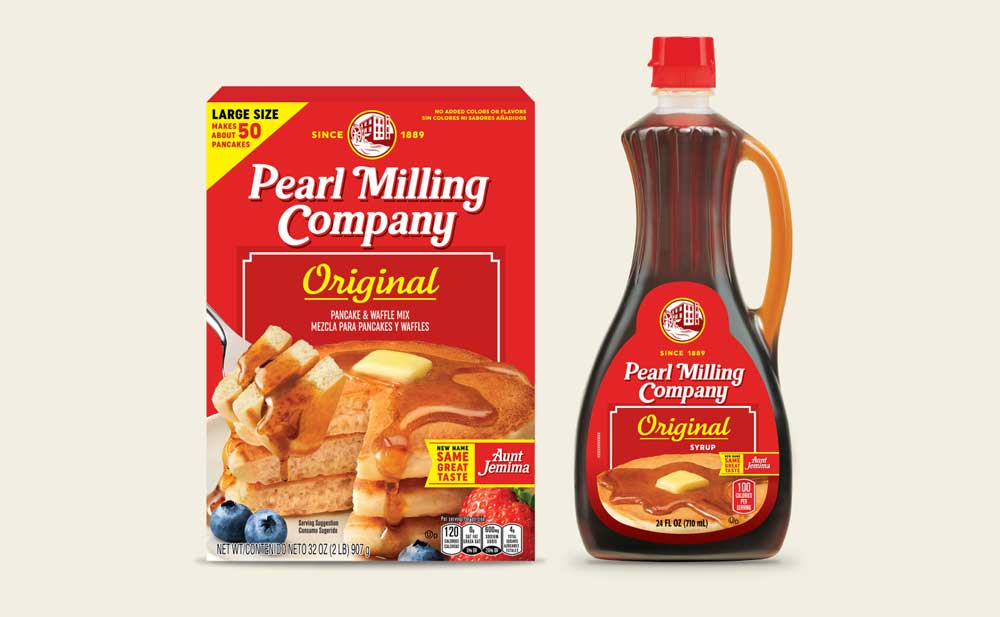
Image source: https://fortune.com/2021/02/11/aunt-jemima-new-name-pearl-milling-company/

4. Competitors are Starting to Look the Same

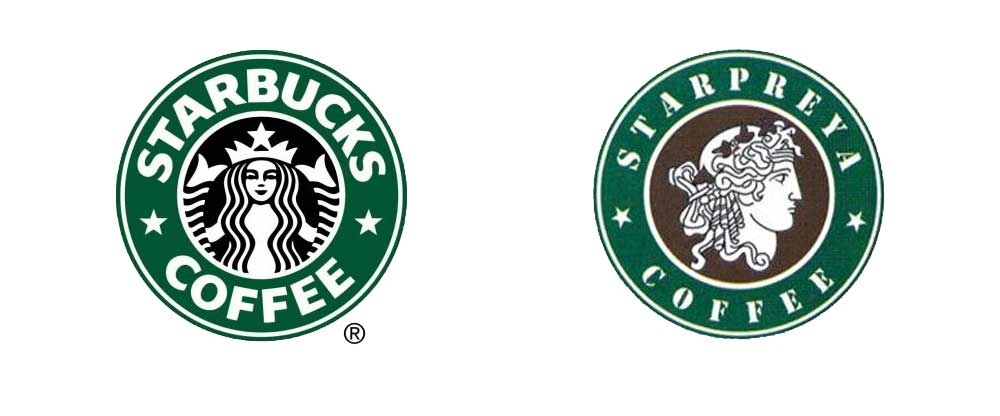
The Red Ocean is a huge problem with companies today. Suppose your company has a generic logo, name and brand colours. In that case, you’re not standing out, you’re blending in, and its negativity is affecting your brand. The quickest way to stand out and start rebuilding is an overhaul and rebrand of your business. This will help you showcase why your company is different and better from your competitors.

Business Branding Experts

Are you ready to strengthen your brand and build your business? At Treefrog, we take a top-down approach to helping you develop your brand strategy. Whether it’s logo design, logo maturation, corporate identity or graphic design services, we’re your business branding experts.

Give us a call at 905-836-4442; our team of graphic design and branding experts are ready to help!

More Signs It’s Time to Refresh Your Brand

You Keep Putting It Off

“We’ve been too busy.” “It’s not that bad.” “Maybe next year.” If you’re the person most attached to your brand and you can see it’s falling behind, your customers can see it too.

You Apologize for Your Logo or Website

If you wince or make excuses when you hand someone your card or send them to your website, that’s a clear signal. You should be proud to show it, and customers pick up on it when you’re not.

Your Logo Was a Do-It-Yourself Job

Plenty of businesses start with a logo they made themselves or bought from a template site. That’s fine at launch. As you grow, a professionally developed identity gives you something more versatile that works on your website, signage, vehicles, packaging and proposals.

Your Brand Looks Different Across Divisions or Locations

When each division, branch or acquired company uses its own logo, colours and messaging, customers don’t see one company. They see several. A refresh can pull everything under one consistent identity.

Your Marketing Has Stopped Landing

If the same tactics keep producing weaker results, the issue may be the brand rather than the campaign. Audiences change, and long-standing brands have to keep up. Old Spice is a well-known example: its humorous 2010 campaign helped a brand seen as dated connect with a much younger audience.

Refresh or Full Rebrand?

Not every sign calls for starting over. Some brands only need small adjustments to their logo, colours or messaging. Others, especially after a change in direction or reputation, need a full rebrand. Either way, a refresh doesn’t mean losing who you are. Done well, it keeps your history and credibility while making it clear what you offer today.

group of office workers at conference table. Post-its cover the wall in behind them
Brand Strategy

Personas let you get Personal with Your Customers

Whether you’re starting a new business or have been in the business world for years, you’ve likely heard the term “buyer persona” at one point or time. Though, what exactly is buyer personas, and why is it so critical for your business?

We’re going to unpack that in this blog and explain why it’s critical to create and understand these personas.

group of office workers at conference table. Post-its cover the wall in behind them

What is a Buyer Persona

The term persona derives from Latin and originally referred to a theatrical mask. Actors wore masks to assume a persona or character. Think of the classic comedy and tragedy masks we still see in reference to the theatre today.

In the marketing world, personas are in-depth profiles of a brand’s target consumers. Rather than create a false identity, marketing personas seek to show the most realistic portrait of a consumer possible as a means of better understanding their needs and the best way to communicate with them.

Most brands will have more than one consumer persona because different individuals may support the brand, while others may heavily influence consumers, and these influencers need personas as well. For example, a typical business-to-business sales process might include the H.R. Director endorsing a product to the V.P. of H.R., who in turn seeks the approval of the V.P. of finance, who then seeks the approval of the CEO. Each of these individuals will have different needs for the product based on their position, and it is essential to understand how each will respond to the brand proposition. That is why personas are as relevant to B2B brands as those selling to the general public.

How are Buyer Personas Used

Personas are not new to the marketing world. In the beginnings of modern marketing in the 1960s (think Madmen), ad agencies used to write in-depth target customers’ profiles, giving them names and families and backstories.

Today, however, personas are even more critical because they have empowered consumers and democratized marketing. Brands now engage in conversations with their customers and prospects via digital and social platforms in addition to traditional media.

In life, we tailor our conversation based on what we know of the individual we are addressing; we talk to our Mom differently than our best friend. The same is true in marketing. We need to tailor our message to suit the audience, and as previously noted, a brand may have several audiences. This is not to suggest that a brand should be inconsistent in its approach. A brand, like a human being, communicates based on a set of characteristics and values. You will tell Mom you love wine just as you will tell your best friend. You will express it differently to each.

Group of people in a Café using laptops and mobile phones

Why Buyer Personas are Important

1. Personas will help you narrow down your target audience

Buyer personas are critical to your business, as they’re the guiding force on how to market your business to your target audience. They’ll give you insight into how your target market thinks. Thus, helping you to tailor messages to your specific target audience.

2. Buyer personas will help to determine the strategic decisions you make

Buyer personas will help to determine the strategic decisions you make. You will know how your personas will react to marketing campaigns, how to best deliver information to them and what type of content is most valuable to them. A persona takes away the guesswork when it comes to your marketing activities.

3. Insight into Audience Behaviour

Buyer personas are critical to your business, as they’re the guiding force on how to market your business to your target audience. They’ll give you insight into how your target market thinks. Thus, helping you to tailor messages to your specific target audience. It should be noted that buyer personas are a constant work in progress and should be updated frequently. As your target audience grows and changes, your buyer personas should as well.

Conclusion

Buyer personas are in-depth profiles of a brand’s target consumers. They’re critical to your business and your efforts to attract and retain customers. For your business to grow and succeed, you need buyer personas.

Buyer Persona Experts

Are you ready to strengthen your brand and build your business? At Treefrog, we take a top-down approach to helping you develop your brand strategy. Contact us today to learn more about our branding services or get an instant brand quote.

The word "brand" decoratively drawn in a notebook
Brand Strategy

What is Corporate Identity?

…and Why is it Important?

The concept of corporate identity is akin to what we refer to when we talk about our own identity, the specifics that differentiate us from others. It is our personality and character that maintains our individuality, which we express through how we behave, speak, and even what we wear.

Similarly, a business makes itself distinct through the image that it presents to the world, through collateral like business cards, letterheads, brochures and other options. It is a physical expression of the company’s brand, an extension of the culture that is already expressed through communication style and behaviour exhibited to maintain the image of the business.

Corporate Identity expresses your business’s brand personality and sets you apart from the competition.

The Importance of Corporate Identity

In a fast-paced and competitive world where the consumer has innumerable options available to them, a company needs a strategy to establish a solid presence in the marketplace. There are strong reasons to believe that the right corporate identity helps achieve this business objective.

Building Corporate Persona: When we meet a person, it is the first impression that has the most impact. We tend to gather cues from what we see and feel, interpreting our observations to form our opinion about the person. This is also how we treat products and companies. To stand out from their competitors, every company needs to have a good brand image, to create a niche in the client’s mind by having a unique, pleasing appearance and identity.

Consumer Loyalty: The consistent design of a corporate identity, in accordance with objectives set for the business, uphold and reflect the ethos, culture, principles, future ambitions, or visionary goals of the business. Customers who find this to be in accordance with their philosophy and liking feel connected to this image and are more likely to develop loyalty to the business.

Business Enhancement: Personal experiences with a corporate identity influence consumers and their purchasing decisions. A corporate identity with a strong and positive impact creates a favorable mental image of the business in a consumer’s mind. A strategically planned identity gives a good return in terms of referrals and repeat business.

Businesses may occasionally need to update their corporate identity, if there is an ideological change in the target audience over time and as the world changes. Design professionals can help with attention grabbing logos, impressive business cards, elegant letterheads, inviting envelopes, stunning brochures and other identity elements. Invest in your corporate identity to develop trust, a sense of value, and a lasting connection with your customer base.

A logo is not your whole brand

It’s common to treat “brand” and “logo” as the same thing. They aren’t. Your brand is the reputation people hold about your business, and it is built from every interaction they have with you: your website, your packaging, your sales calls, your invoices and how well you keep your promises. You shape it, but your customers decide it. That’s why the promise your identity makes has to match the experience you deliver.

A strong brand identity combines two layers:

  • Branding elements: your logo, colours, typography, shapes and imagery.
  • Brand persona: your values, personality and voice. This is what makes a business feel human, and it’s what people connect with when they find common ground with you.

Most businesses have the first layer covered. Far fewer have defined the second, and that is often where loyalty is won or lost.

Where the logo fits

If your brand were a person, the logo would be its face. Its job is to take everything people experience with your business and boil it down to a mark that is simple to recognize and remember. A good logo signals right away that a company is serious. A poor one can make it look careless before anyone reads a word.

At Treefrog we say you should be able to cut your logo out of a potato. In other words, it has to stay clear when it’s simplified. Think about everywhere it needs to work:

  • Tiny, as a website icon or a social media profile picture.
  • Large, on a trade show sign that has to read from across the hall.
  • In one colour, embroidered on a shirt or stamped on packaging.
  • Side by side with other logos on a partner or sponsor page.

A finished logo should come with a full set of file formats and colour versions so it’s ready for print, web and anything else you need later.

What a strong identity needs to do

  • Make people feel something. Buying decisions are driven by emotion as much as need, and your identity should convey the feeling you want attached to your business.
  • Be memorable. People choose names they recognize over ones they don’t, even when they know little else about either company.
  • Stay consistent. The same look and voice across your website, social channels, print and signage builds recognition faster.
  • Show up online. Even customers who buy in person research on their phones first. A brand without a solid digital presence gets passed over.
  • Deliver. People don’t come back to a brand that let them down. Your reputation is only as good as the experience behind it.

Stock logos and design contests: what to watch for

Online stock logo shops and crowdsourced design contests are cheap and fast, but they come with trade-offs. You write the brief alone, and designers take it literally, so if you can’t put what you want into words, you probably won’t get it. Revisions are often capped. There’s no check on skill level, and the final files may not be set up properly for printing. Most of all, an off-the-shelf mark can’t reflect what makes your business different, and it may look a lot like someone else’s.

Working with a design team takes longer and costs more, but you get a conversation about your goals, your audience and where the business is headed. That leads to an identity built to last and grow with you.

Scroll to Top